All Saints in Peru: The Regional Memory of T’anta Wawa
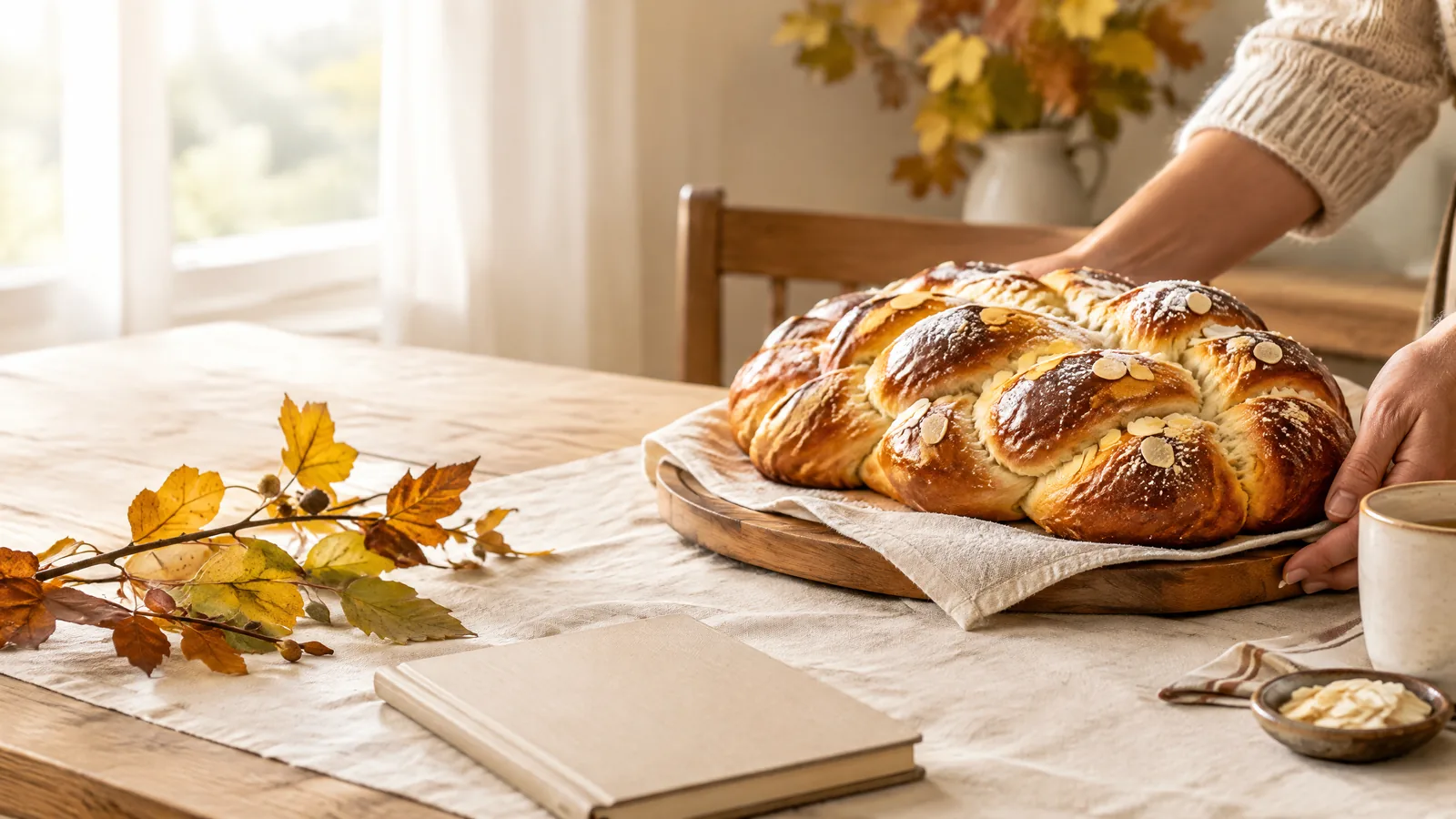
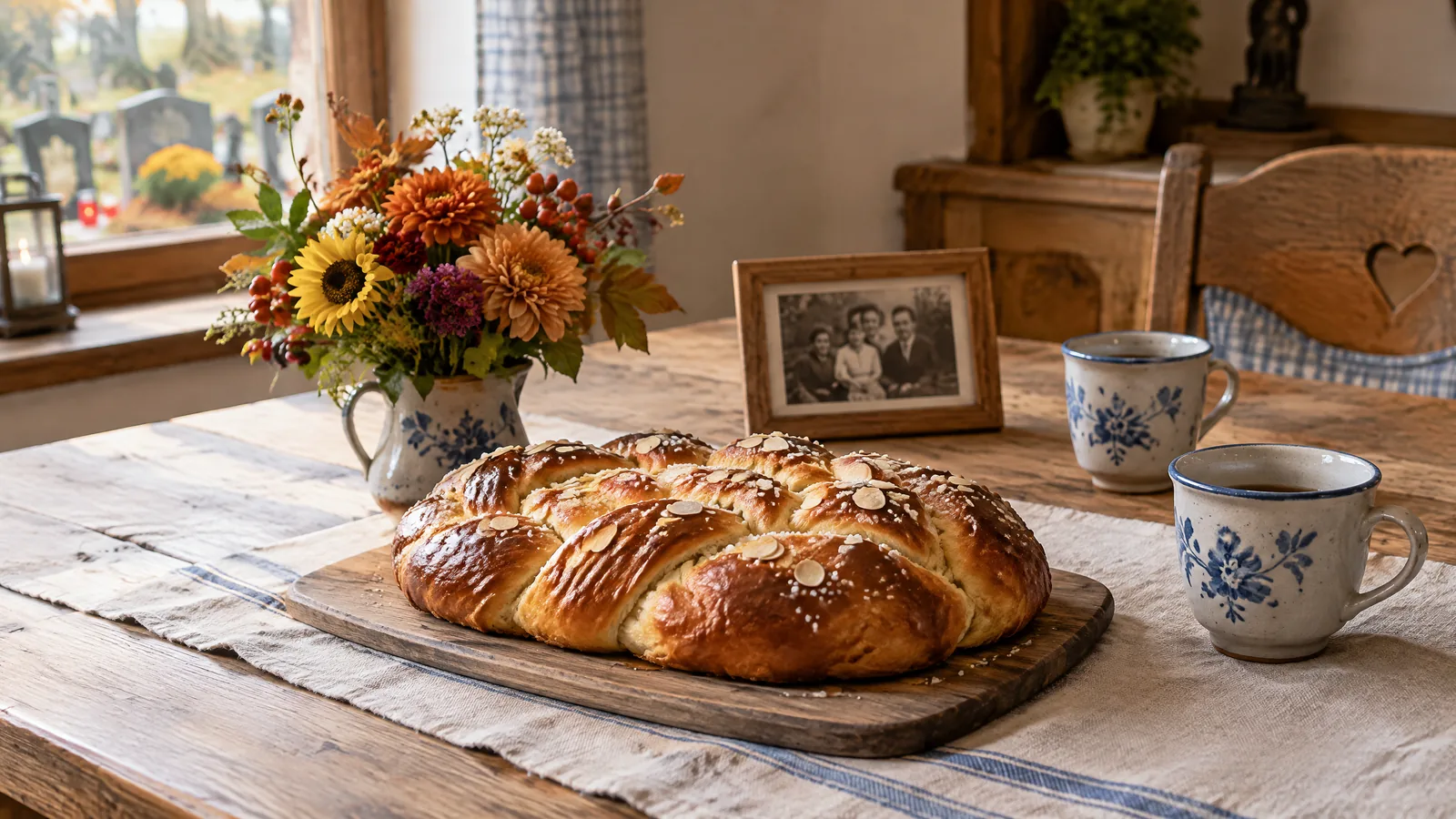
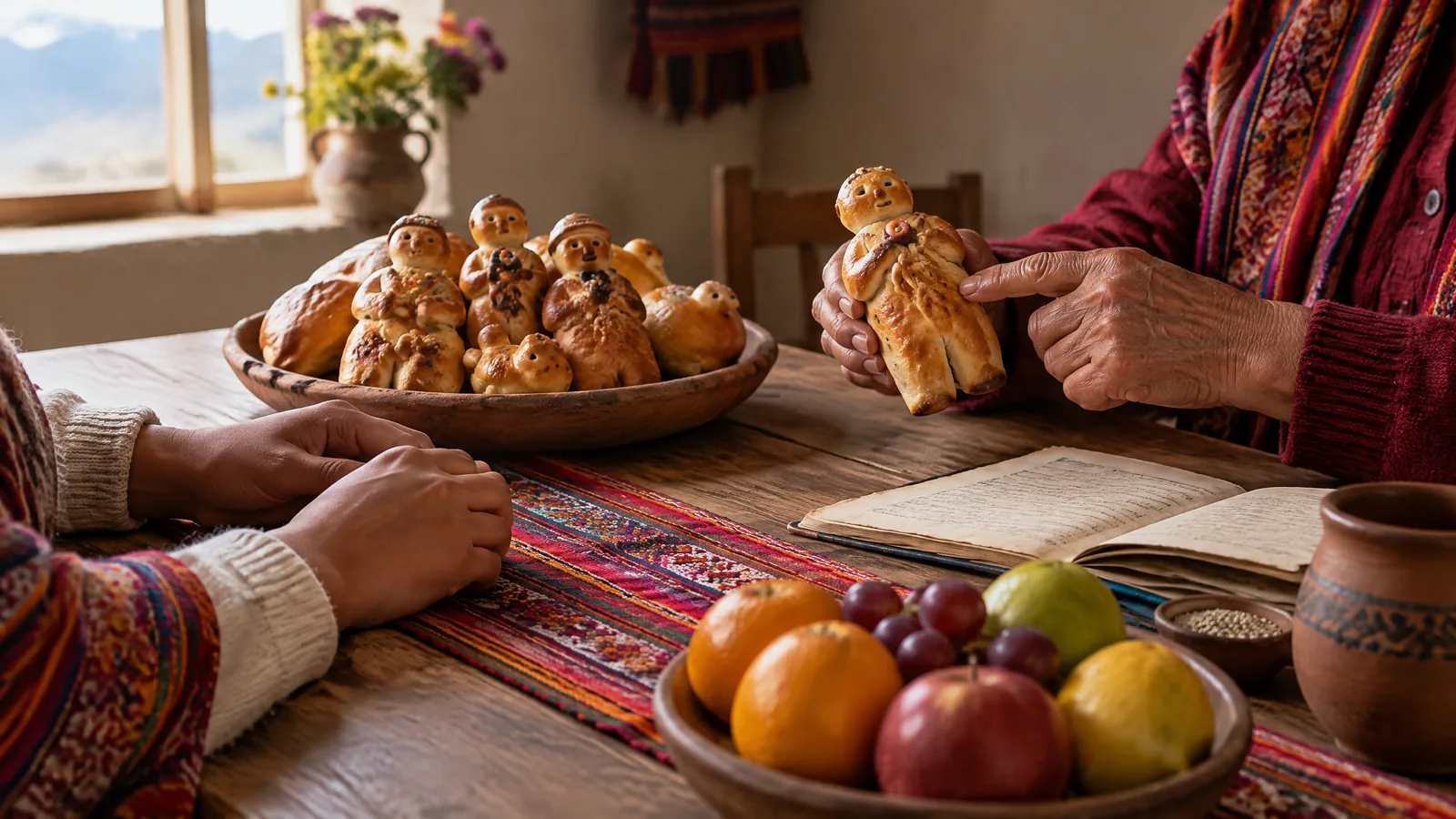
In Peru, the All Saints season can be tasted as much as it is remembered. Around the first days of November, T’anta Wawa appears in bakeries, homes, markets, and community gatherings. These decorated breads are often associated with the feast of All Saints and the following observance for the departed. They can accompany a family table, a visit, or an exchange among relatives and friends. The meaning lies not only in what is baked, but in whose memory is named, who makes the food, and how a community chooses to share it.
It is important not to turn this season into a single national script. Peru’s Ministry of Culture describes T’anta Wawas as breads of offering made by bakers and artisans from regions including Huancavelica, Apurímac, Junín, Ayacucho, Puno, and Lima. Some are sweet and decorated with sprinkles or sesame, while others are savoury and finished with local motifs. The museum’s account makes clear that the bread is a living cultural expression with regional meanings rather than a fixed national recipe. 1
A bread that carries a place
The name offers a helpful starting point. An official tourism inventory for Oropesa in Cusco records Tanta Wawa as a traditional bread for the dead and explains the name as “bread baby” or “bread child,” drawing on the words for bread and child. 2 That translation describes the familiar child-shaped form, but it should not be treated as a rule for every baker or every place.
The Ministry of Culture notes that T’anta Wawas can take the shape of babies, llamas, doves, and other figures. It also emphasizes that the styles identify the place of origin, the artisan, and the people who consume them. 3 A bread bought in one town may therefore look, taste, and mean something slightly different from one bought elsewhere. The variation is not a flaw to be smoothed away. It is part of the point.
For a visitor or a younger family member, the respectful question is not, “What is the one correct form?” A better question is, “How is this one made here, and what do people call it?” That invites the baker or host to lead with local knowledge. It also leaves room for a family recipe, a neighbourhood bakery, or a community custom to be valued on its own terms.
From baking to sharing
That detail is useful because it shifts attention from a display object to a social food. The aromas of spice, the work of shaping dough, and the decision about whom to give a bread to can all carry memory. In some homes, the preparation itself creates time for stories about people who have died. In others, the bread may be part of a larger seasonal meal or table. The scale and setting are for the household and locality to define.
Junín’s municipal description makes that connection especially visible. It presents Tanta Wawa as a bread consumed for All Saints and the departed, as a way of honouring loved ones who have died. Its local programme joined bread preparation with family visits, a shared sponge cake, and the making of All Saints tables, including household explanations of their ancestral symbolism. 4 This is a reminder that food may be one element within a fuller act of remembrance, not a substitute for the people and stories at its centre.
Joining a remembrance table with care
If a family invites you to help during this season, begin by listening. Ask whether there is a task that would be useful: carrying ingredients, helping with washing up, buying bread from the family’s preferred baker, or simply sitting with an elder who wants to tell a story. An offer of practical help is usually more respectful than arriving with assumptions about what the food should look like.
At the table, let the host decide whether each item is simply for sharing, part of an offering, or connected to a particular person. Ask before moving objects or serving yourself. If a name is spoken, receive it with attention rather than rushing to a question or a photograph. If a household visits a cemetery or another place of remembrance, follow its pace and rules, seek permission before taking pictures, and keep the focus on the family’s purpose.
Avoid treating T’anta Wawa as a novelty, a costume, or a generic “festival bread.” Buying from a local bakery is a good way to support the people whose skill sustains the tradition, but it does not give a guest authority over its meaning. If you prepare a bread yourself, name its source honestly: say it is inspired by a recipe or learned from a particular person, rather than claiming to reproduce a whole region’s practice.
Keeping food and memory connected
For families living away from their home town, a modest shared food can still make room for remembrance. It might be a locally made T’anta Wawa, a bread ordered from a trusted regional baker, or another dish that genuinely belonged to the person being remembered. Place it in a setting that feels right to the family, then make time for names, anecdotes, silence, prayer, or conversation. There is no need to invent symbols that do not belong to the household.
The enduring value of these foods is their capacity to hold relationship. A shaped loaf can reflect a baker’s regional skill. A spice can bring back a kitchen. A table can become a place where grief, affection, faith, and ordinary family life meet. By approaching T’anta Wawa with curiosity and restraint, guests and relatives can honour the local knowledge that makes All Saints remembrance in Peru richly personal.