Ognissanti and Giorno dei Morti in Italy: A Gentle Guide to Remembrance
In Italy, the beginning of November often invites a quieter kind of gathering. Ognissanti and Giorno dei Morti sit close together in the calendar, yet they are not the same observance. For Catholic families, parish communities, and many people shaped by local custom, the season can bring prayer, visits to the cemetery, family stories, and food prepared with care. It is a time to remember particular people rather than an abstract idea of the past.
The way these days are lived is not identical in every place. A parish, a cemetery, a household, and a region may each give the season its own tone. Some people participate chiefly through worship. Some place flowers at a grave or take time to clean a family tomb. Some share a meal and tell children about relatives they did not know. Others keep the days privately. That variety is part of the Italian setting: respect matters more than assuming one gesture speaks for everyone.
Two related observances
Ognissanti is the Solemnity of All Saints. The Italian Bishops’ Conference describes its liturgy as a celebration, in one feast, of the merits and glory of all the saints. Its prayers and readings turn toward holiness, hope, and the communion of saints. 1 In an Italian Catholic context, this gives the day a worshipful character that is broader than remembrance of one family alone.
Giorno dei Morti is the familiar Italian name often used for the following Commemoration of the Faithful Departed. The Church’s liturgy prays for the departed and speaks repeatedly of mercy, resurrection, and eternal life. 2 A Vatican reflection on the paired observances explains that the commemoration helps people remember loved ones who have died, while visits to cemeteries can preserve bonds of affection. 3 Taken together, the days make room for both the saints honoured by the Church and the dead remembered within families and communities.
This distinction is useful for a visitor or a younger family member who is learning the season’s meaning. It avoids reducing Ognissanti to a general memorial day. It also makes space for grief: Giorno dei Morti need not be a performance of cheerfulness. A quiet presence, a prayer, or a carefully spoken name can be fully appropriate.
The places where memory is kept
Cemeteries are important settings for many observances at this time of year. A respectful visit may be simple: arrive with enough time, follow the cemetery’s posted rules, speak softly, and let mourners have privacy. If bringing flowers or another tribute, choose something suitable for the grave and remove any wrapping or litter. A small practical courtesy, such as yielding space around a tomb, can matter greatly when several generations of a family are gathered.
Those who join a religious service should follow the local parish or cemetery chapel’s guidance. The formal prayers of the commemoration centre the faithful departed, so it is better to observe quietly than to treat a service as an attraction. If you are unsure whether a photograph is welcome, do not take it. This is especially important near graves, during a blessing, or when people are visibly mourning.
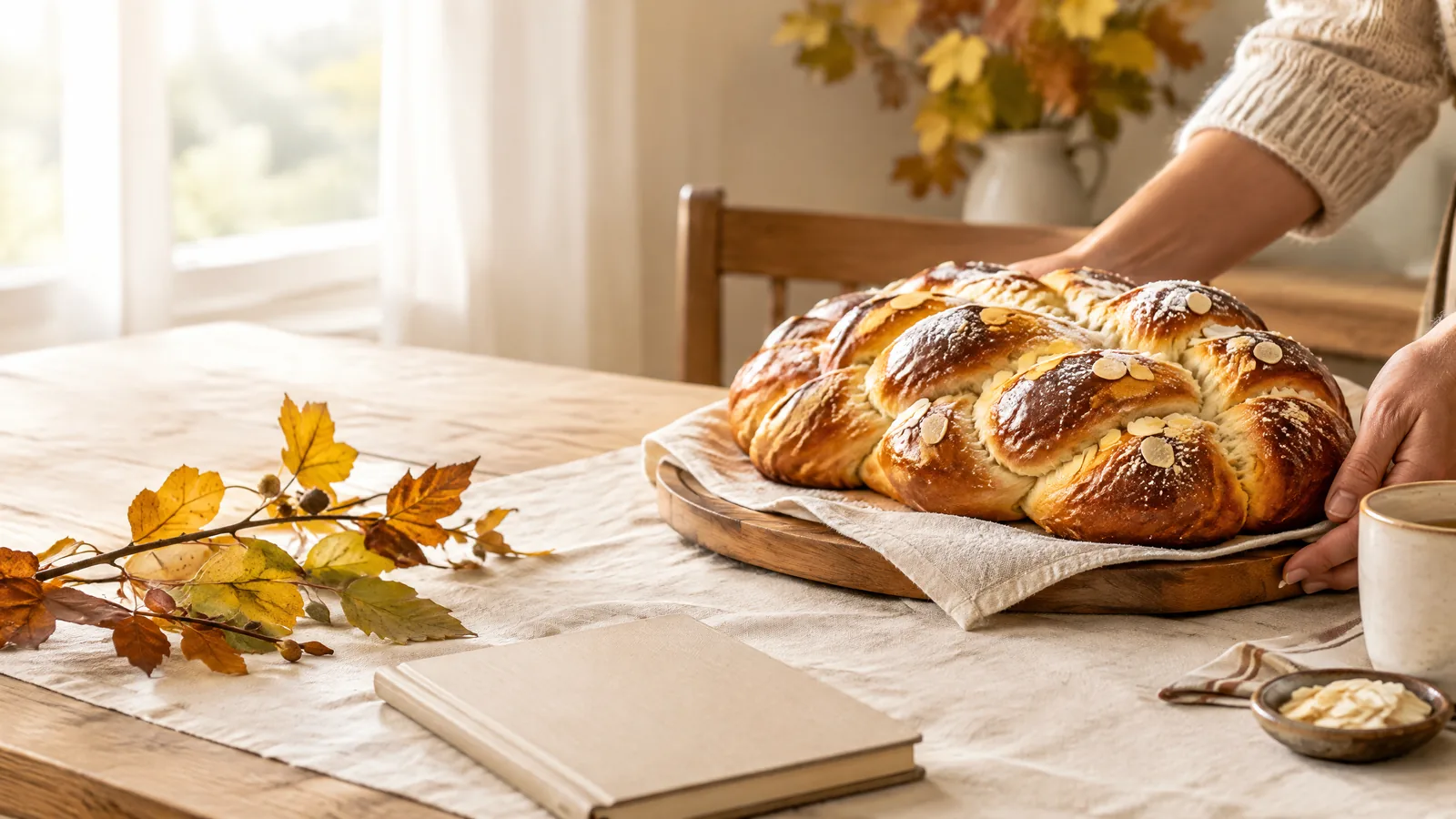
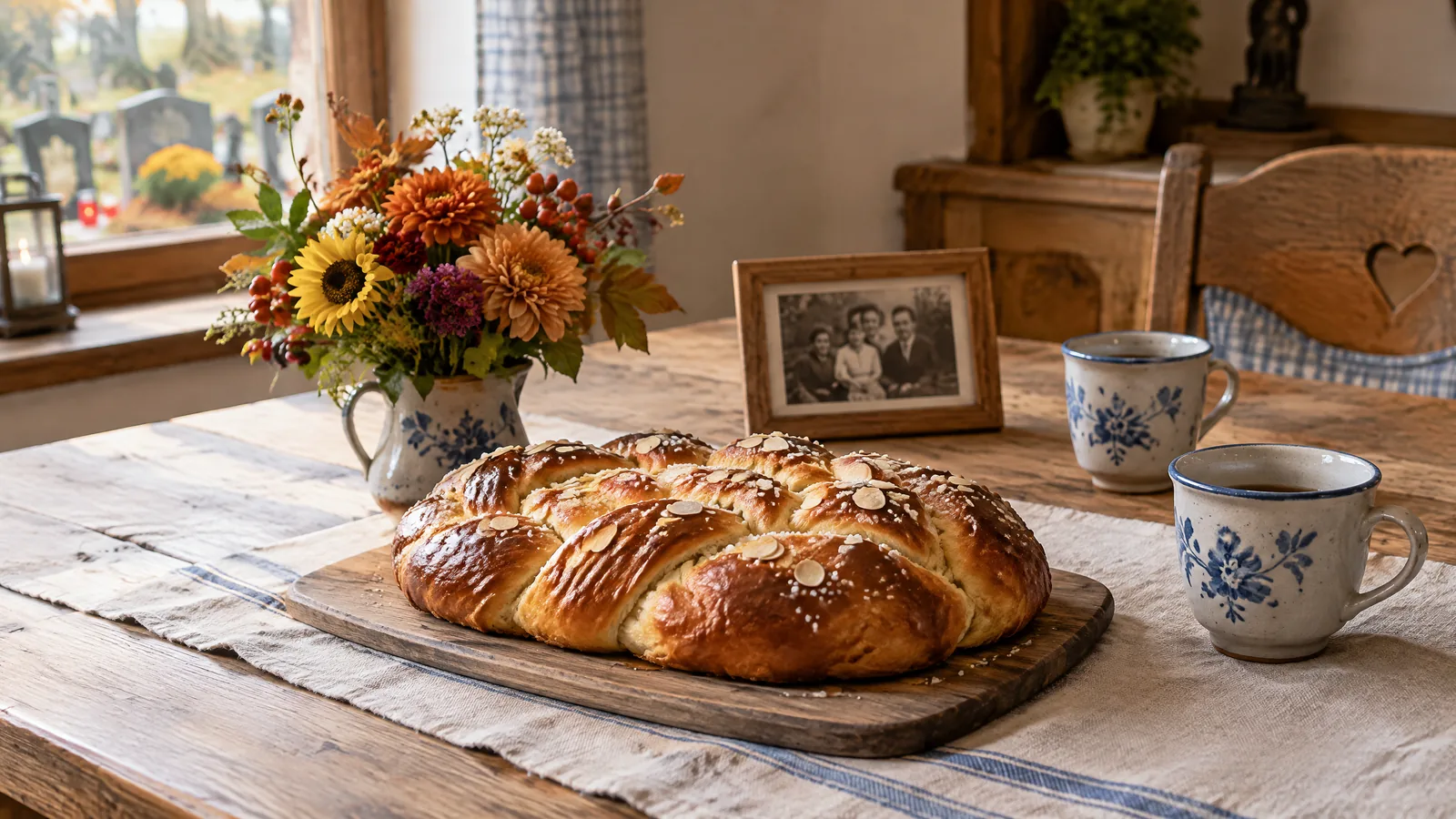
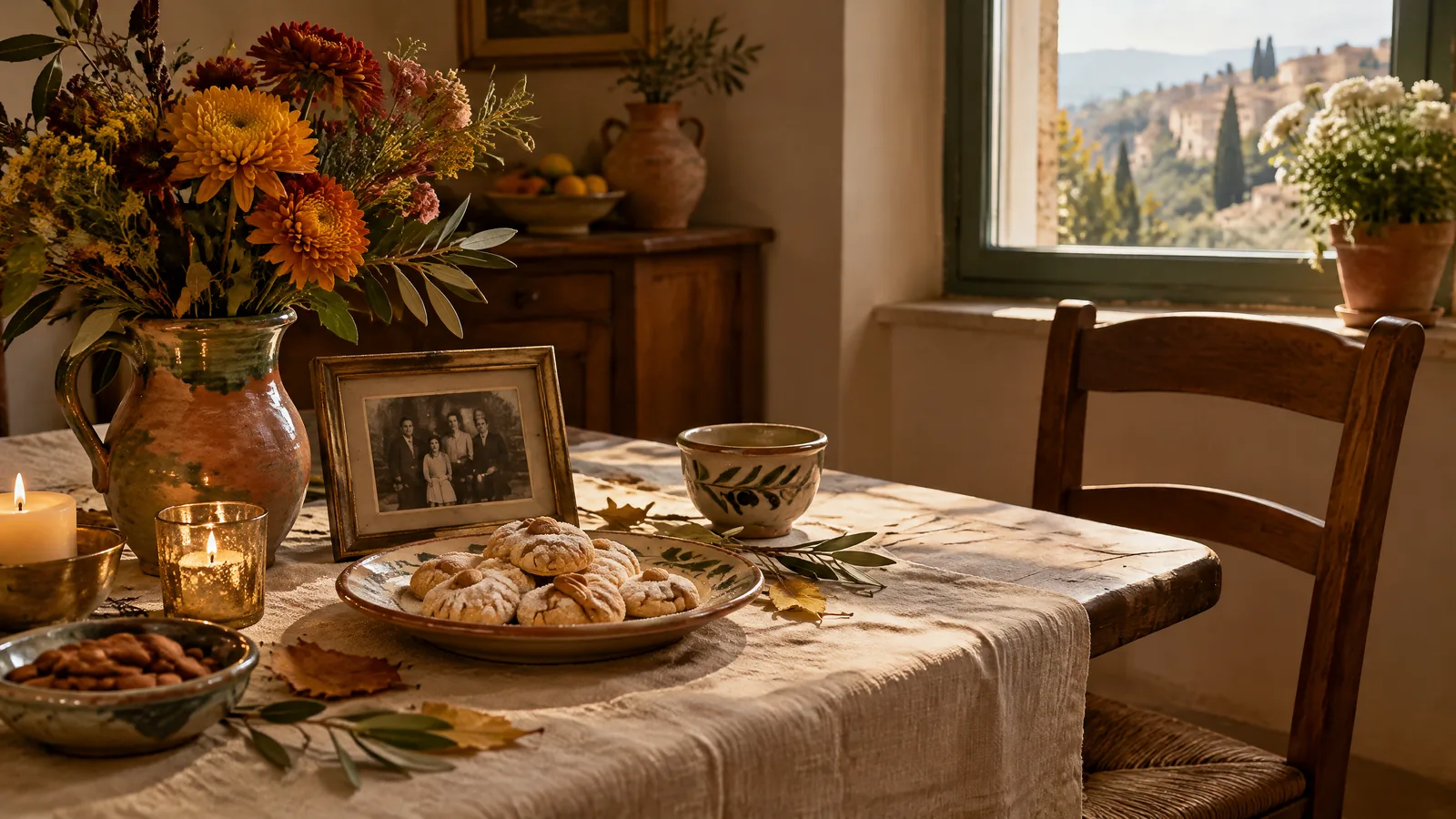
Memory is also carried at home. A family can set a modest place for recollection with a photograph, a written name, or an inherited recipe, if that feels right. Invite relatives to share one detail: a favourite saying, a skill, a kindness, or the story behind an object. Keep the invitation open rather than requiring anyone to speak. In this season, listening is often the most meaningful participation.
Sicily’s festive family language
Sicily offers a vivid regional expression of the season. The official Visit Sicily account describes the Festa dei Morti as a deeply felt popular observance in which the remembrance of the dead is joined to celebration, especially for children. According to the custom described there, children receive sweets and toys associated with departed family members. 4 This is a local tradition, not a template for every Italian household.
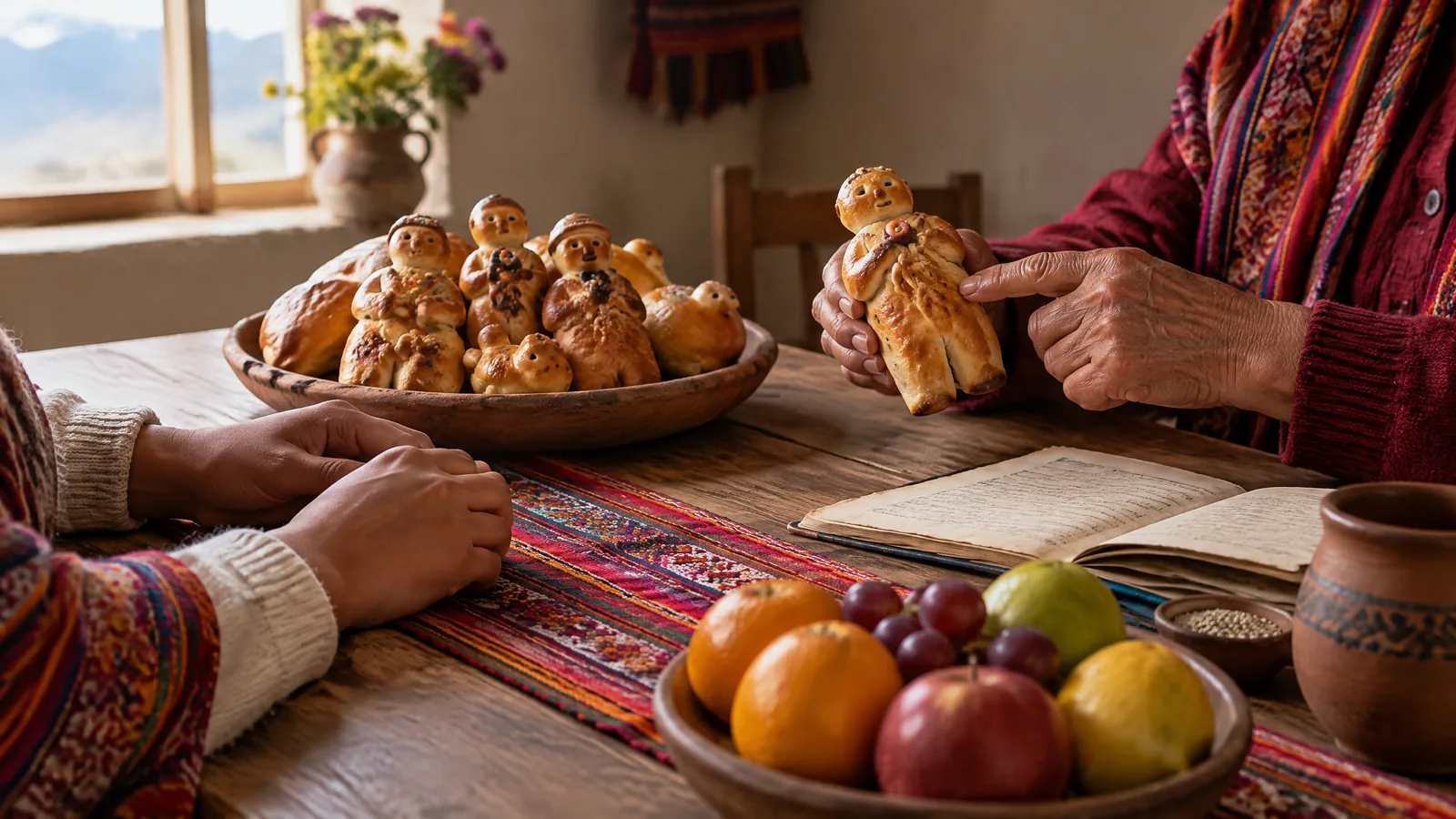
The same source names sweets that give the feast a distinctive visual and culinary identity: colourful sugar figures known as pupi di zucchero, realistic almond-paste frutta martorana, and ossa di morto biscuits. 4 In several Sicilian cities, fairs and family events extend that atmosphere into public space. These foods are not merely seasonal decorations when shared with attention to their setting; they can become prompts for elders to explain kinship, craft, and memory.
If you encounter a fair or a bakery display, approach it as a regional tradition with living local meaning. Ask before photographing artisans or children. Buy from a local maker when possible, and learn the name of what you are eating rather than calling every sweet by a generic label. A respectful curiosity honours both the craft and the memories attached to the occasion.
A considerate way to take part
Participation does not require elaborate preparation. Start by deciding whose memory you wish to hold and whether the moment will be private, family-centred, or religious. Choose one meaningful action: visit a grave, attend a service, prepare a regional sweet with a relative, or write down a story for a child. Small actions are easier to carry forward than gestures made only for appearance.
When joining another family, let them lead. Ask whether they would like company at the cemetery or whether they prefer time alone. Do not press for details about a death. Avoid assumptions about beliefs, because Italian families include different degrees of religious practice and many personal ways of grieving. Offer practical help, such as bringing water, arranging transport, or sharing a meal, only if it will lighten the day.
For children, honesty and gentleness can coexist. Explain that the days are about remembering people who have died and about caring for the people who are still here. In a Sicilian family that observes the gift-giving custom, let the sweets open a conversation about the relatives remembered, not replace it. In another home, a favourite dish or a walk to the cemetery may be the more natural language of remembrance.
Ognissanti and Giorno dei Morti offer no single script for Italy. Their enduring value lies in attention: to faith where it is shared, to local custom where it lives, and above all to the real people whose names remain part of a family’s story.