Wszystkich Świętych in Poland: A Day of Light, Care, and Remembrance
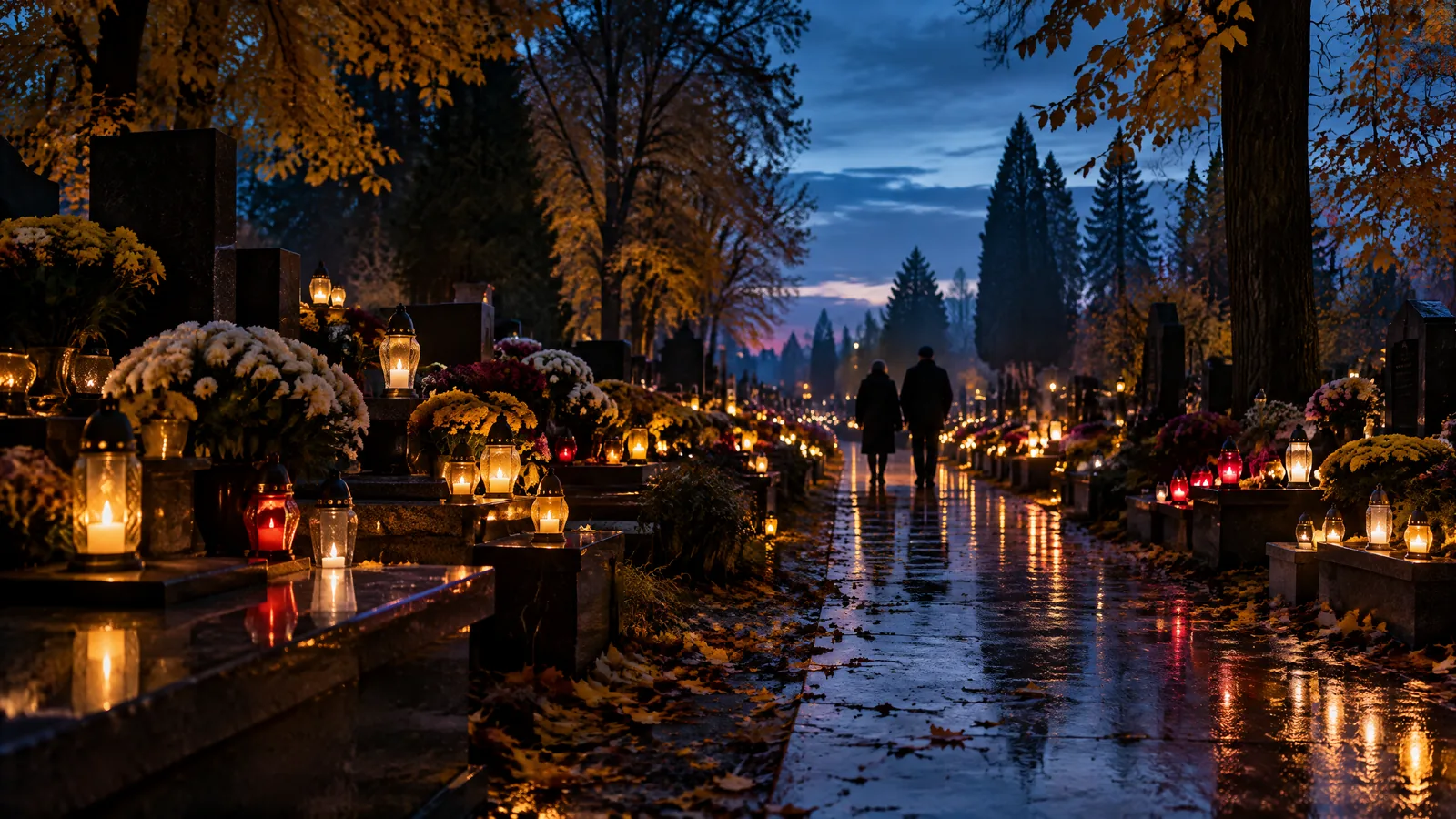
On the first day of November, Wszystkich Świętych, known in English as All Saints’ Day, brings remembrance into the shared space of the cemetery. Graves are tended, flowers are placed, and candles are lit as daylight fades. The result is not merely decorative. It is a visible act of care for people who have died and a moment when family stories can be renewed. In Poland, the day is a statutory public holiday, which helps make time for visits, travel, worship, and reunion. 1 2
The scale and shape of the observance differ by household, locality, belief, and family history. For many Roman Catholics, All Saints’ Day belongs to the church calendar and is followed by All Souls’ Day, often called Zaduszki. In everyday Polish usage, the wider period of visiting graves and remembering the dead may be spoken of through both names. It is best to recognise that distinction without treating either custom as a rule for every person in Poland.
A day shaped by family memory
Culture.pl describes Zaduszki as one of Poland’s important family occasions, with people gathering to visit the graves of loved ones. It notes that attention to family graves and the surrounding cemetery begins on All Saints’ Day and continues into the following day. 1 The Ethnographic Museum in Kraków likewise describes the early days of November as closely linked in Polish experience with All Saints’ Day, Zaduszki, and illuminated cemeteries. 3
That setting gives the day its particular atmosphere. A cemetery can become busy with arrivals and then grow quieter toward evening. Relatives may stand together for a short time, share a memory, say a prayer, or simply remain silent. Some visits are carefully planned around a family plot. Others may include a pause at the grave of a friend, neighbour, teacher, or person whose resting place would otherwise receive little attention. No single gesture has to carry the whole meaning. Presence, care, and sincerity matter more than display.
For people returning to a family cemetery after a long absence, the visit can also make ancestry tangible. Names, dates, photographs, and inscriptions prompt questions that may not arise at home. An older relative can explain who is buried nearby or why a particular place matters. A younger visitor can take part by carrying flowers, helping clear leaves, or listening. This makes remembrance active without forcing anyone to speak in a prescribed way.
Preparing a grave with care
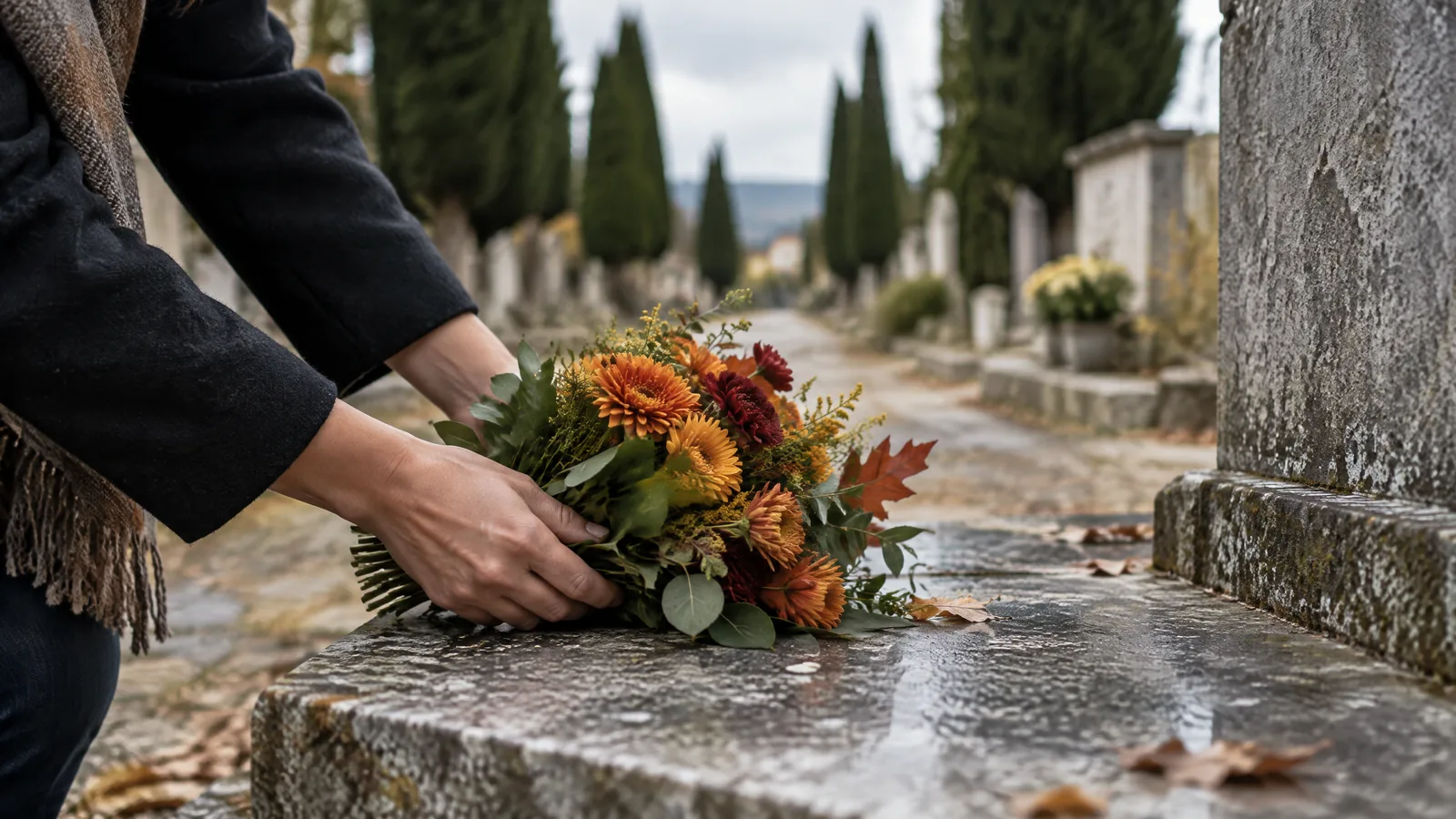
Preparation is often part of the observance rather than a task completed in advance. A gentle approach begins with clearing fallen leaves and spent decorations, checking whether a memorial needs attention, and placing fresh flowers securely. Candles, commonly called znicze, are then arranged where they will be stable and will not crowd a neighbouring grave. The collective light is one of the season’s most recognisable sights, but each flame is also personal: a small sign that someone has been remembered. 1
Practical courtesy helps preserve the calm of the occasion. Keep paths open for others, carry away packaging, and do not move another family’s objects without permission. In a crowded cemetery, speak quietly and allow people space around their graves. If a candle has gone out in wind or rain, relighting it can be a thoughtful act when it is safe to do so. Check local cemetery guidance about open flames, waste, parking, and the times when gates close.
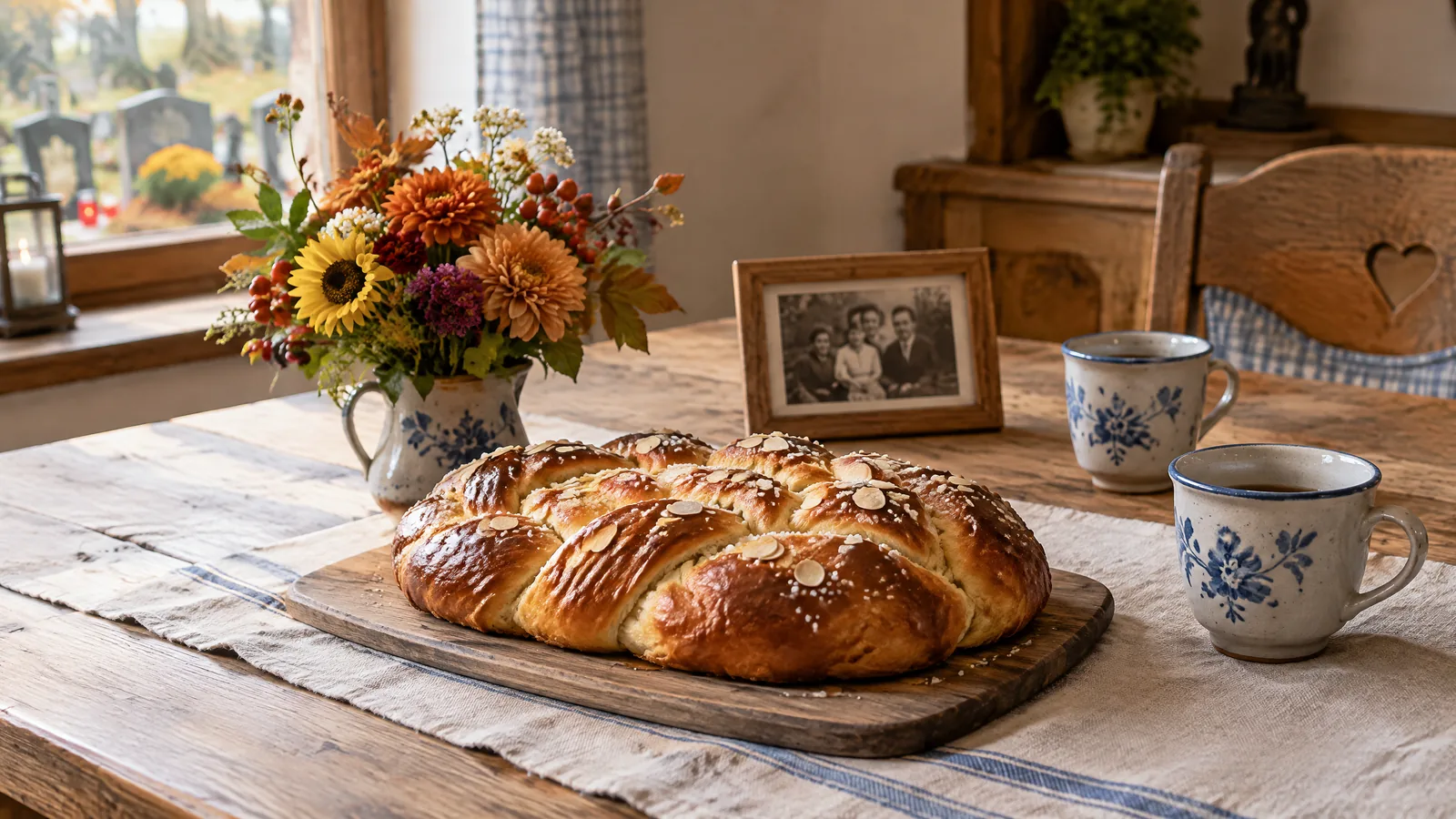
A modest visit can be fully meaningful. If travel, health, distance, or loss makes a cemetery visit impossible, a household may still mark the day by lighting a candle at home, looking through photographs, cooking a remembered dish, or setting aside time to speak a name aloud. These are not substitutes imposed by tradition; they are considerate ways to hold memory when circumstances require another form of presence.
From inherited customs to a living season
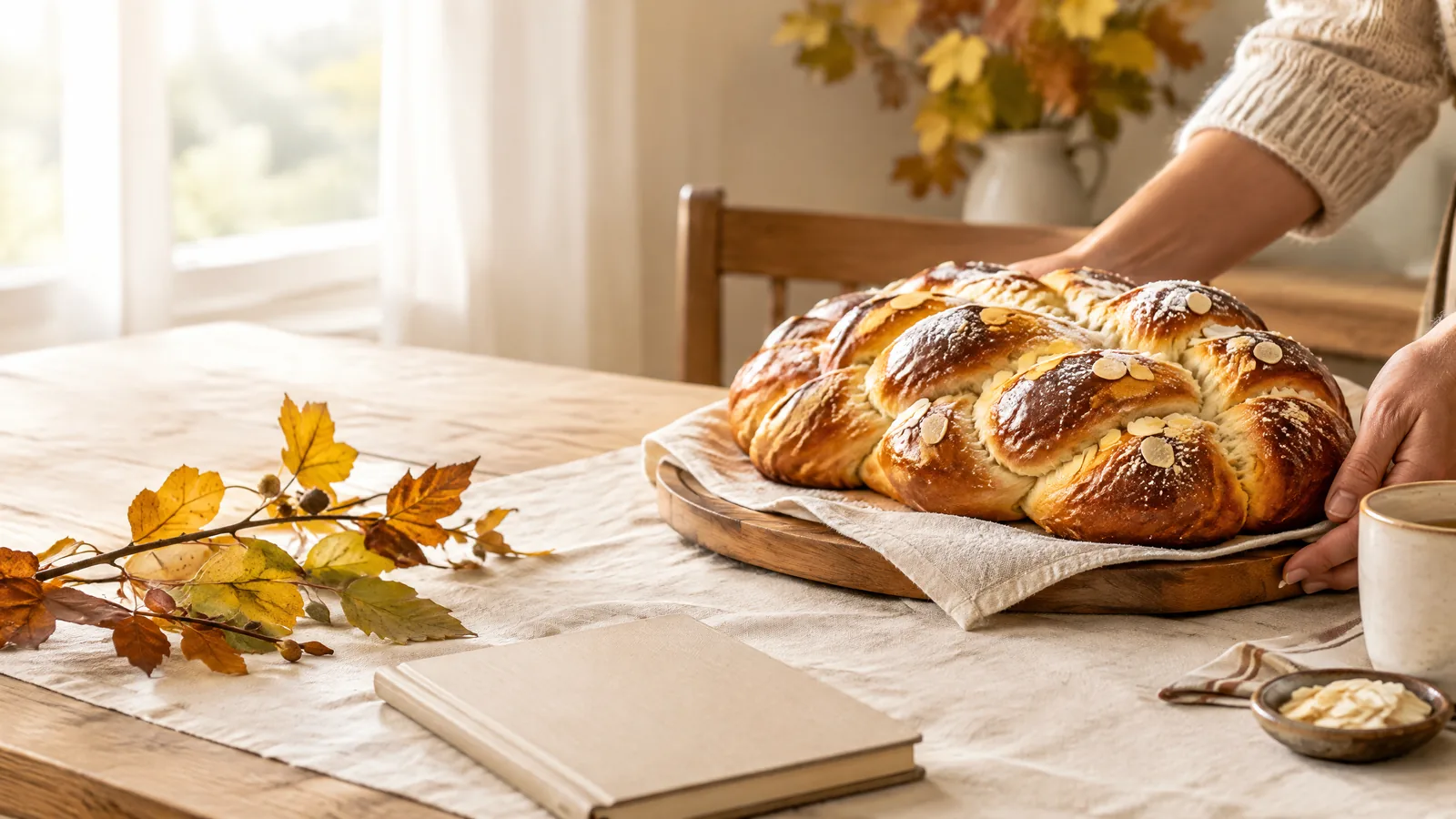
The contemporary observance carries layers of religious practice, family habit, and older folklore. Culture.pl records historical beliefs in which ancestors’ spirits were thought to return during this season. It also describes older practices of preparing food, holding feasts, and baking bread for distribution to people in need, clergy, or graves. These are historical accounts of folk custom, not instructions for present-day observance. 1
This layered history is part of why the season invites reflection beyond an individual household. Adam Mickiewicz drew on the legends of Dziady, a forebears’ rite connected with older Slavic belief, for his drama Forefathers’ Eve. 1 Encountering that cultural memory can deepen a visit, yet it need not turn the day into a lesson or a performance. At the cemetery, the immediate task remains simple: remember the dead with dignity.
The holiday’s public character can make practical planning important. Because All Saints’ Day is listed by the Polish government among days free from work, many people have time to travel, and cemetery areas can be unusually busy. 2 Choosing a route, allowing extra time, and arriving with a clear plan can reduce stress. Bring only what you can carry and use. If visiting with children, explain beforehand that the place calls for a quieter voice and careful steps.
Joining respectfully
Visitors who are new to Wszystkich Świętych do not need to imitate every family around them. Observe first. Dress for cold weather and uneven ground, bring a simple candle or flowers if appropriate, and follow the lead of hosts or relatives. Do not assume that every grave is open to conversation or photography. The most respectful response may be to stand back, lower a phone, and let a family have its private moment.
When the cemetery fills with points of light, it is easy to understand why the season remains so important to many people in Poland. The lights make remembrance visible, while the work of cleaning, travelling, gathering, and listening gives it substance. Wszystkich Świętych is at its most meaningful not when it is made elaborate, but when care is offered patiently, names are kept in memory, and the cemetery is left as respectfully as it was entered.