A cemetery visit around Tots Sants can be a meaningful family practice, but it is easier when the practical decisions are made before anyone is standing at the gate. A little planning protects the visit from becoming rushed, confusing, or unnecessarily tiring. It also leaves more attention for the person or people being remembered.
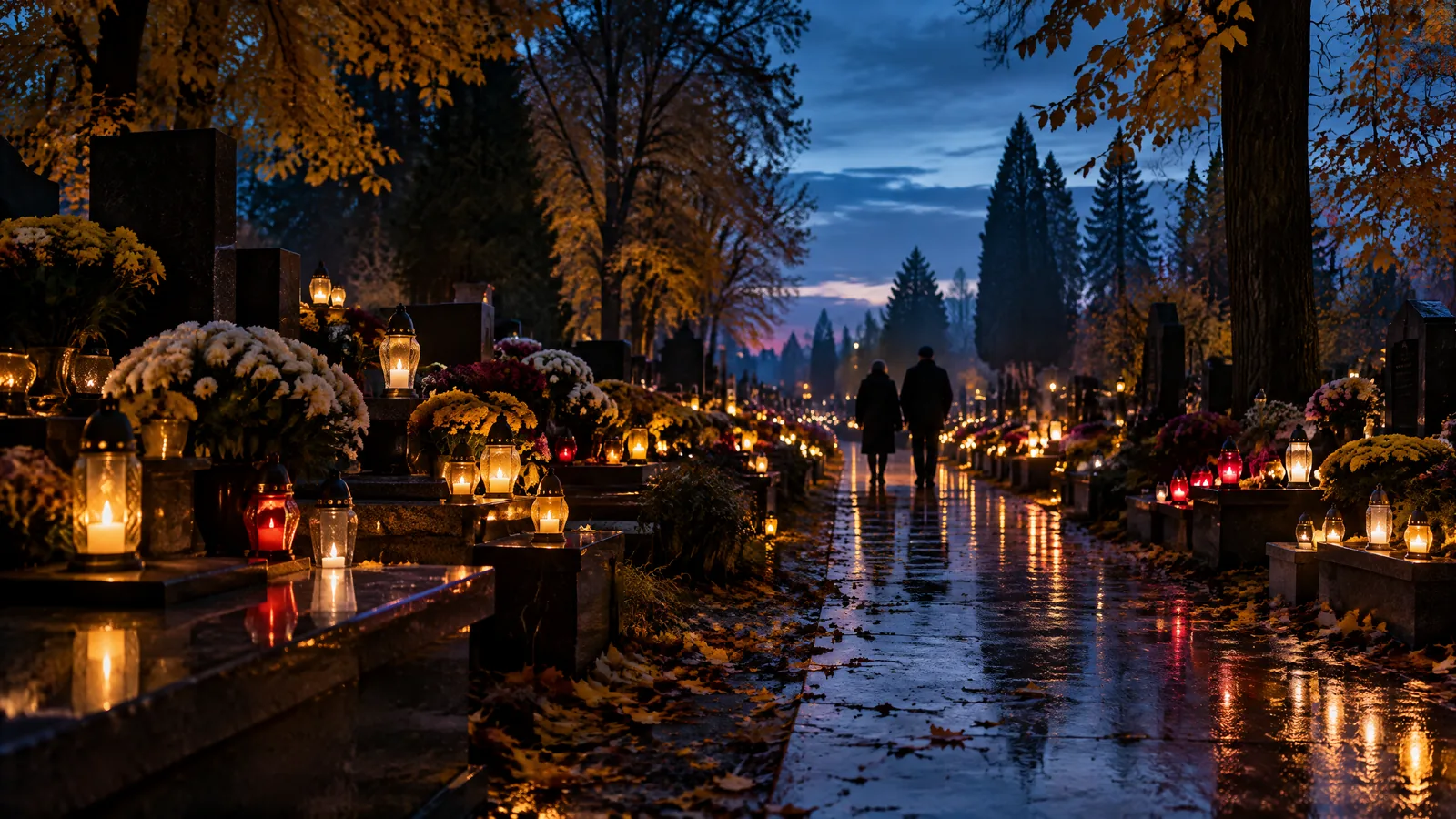
In Spain, people often visit the graves of relatives around the first and second days of November, sometimes bringing flowers or praying. The Spanish Episcopal Conference also stresses that customs vary from place to place, which is an important reminder: one cemetery’s arrangements, rules, and traditions cannot be assumed to apply to another.1
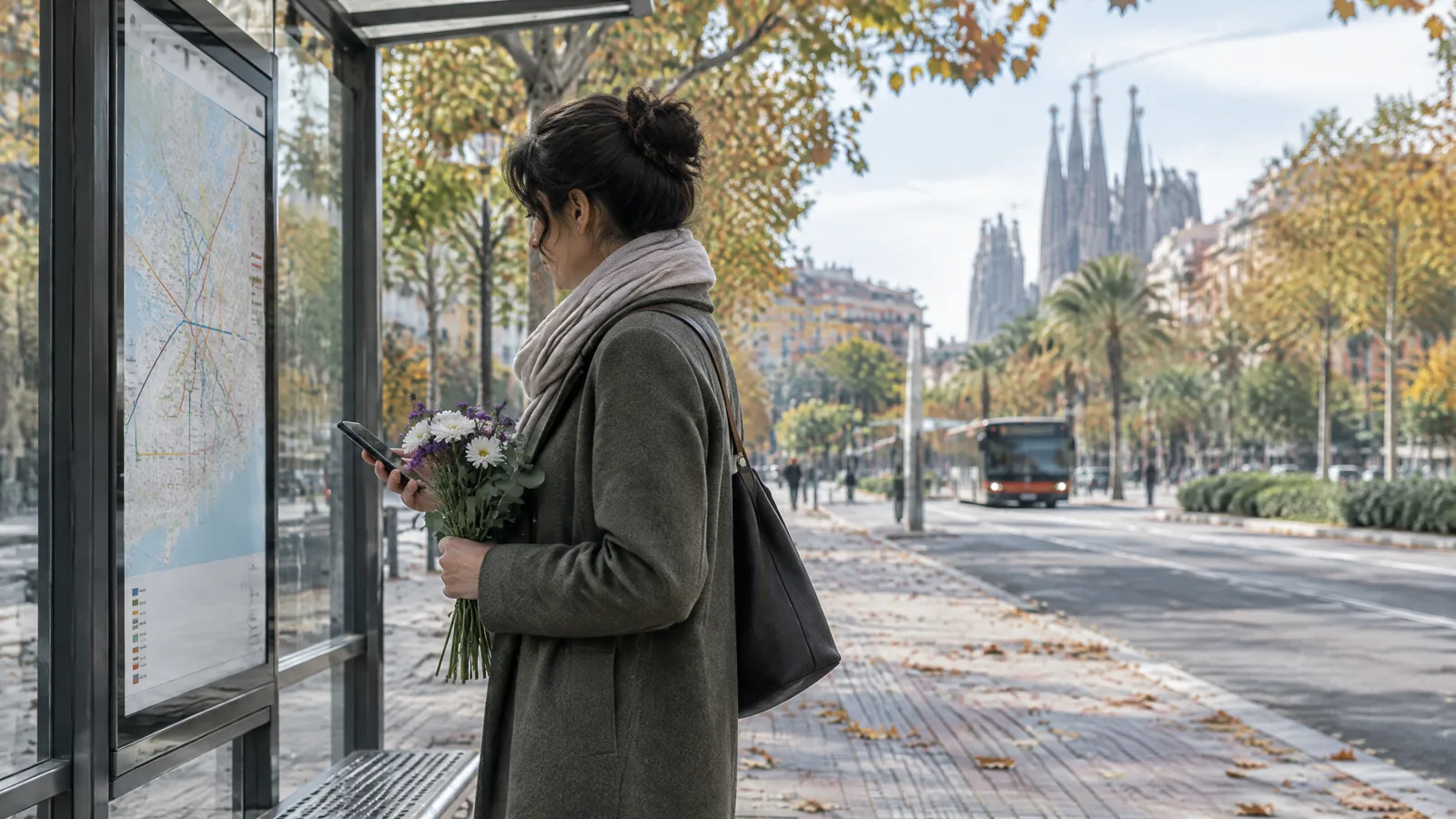
Barcelona’s recent Tots Sants plan included reinforced public transport and special services to major cemeteries. That is a useful sign that these dates can be busy, but the individual routes and dates were specific to that year.2 Check your cemetery’s current notices and local transport information before you travel.
Decide what kind of visit you are making
A visit does not have to do everything. Choose its main purpose before the day begins.
You may be going to:
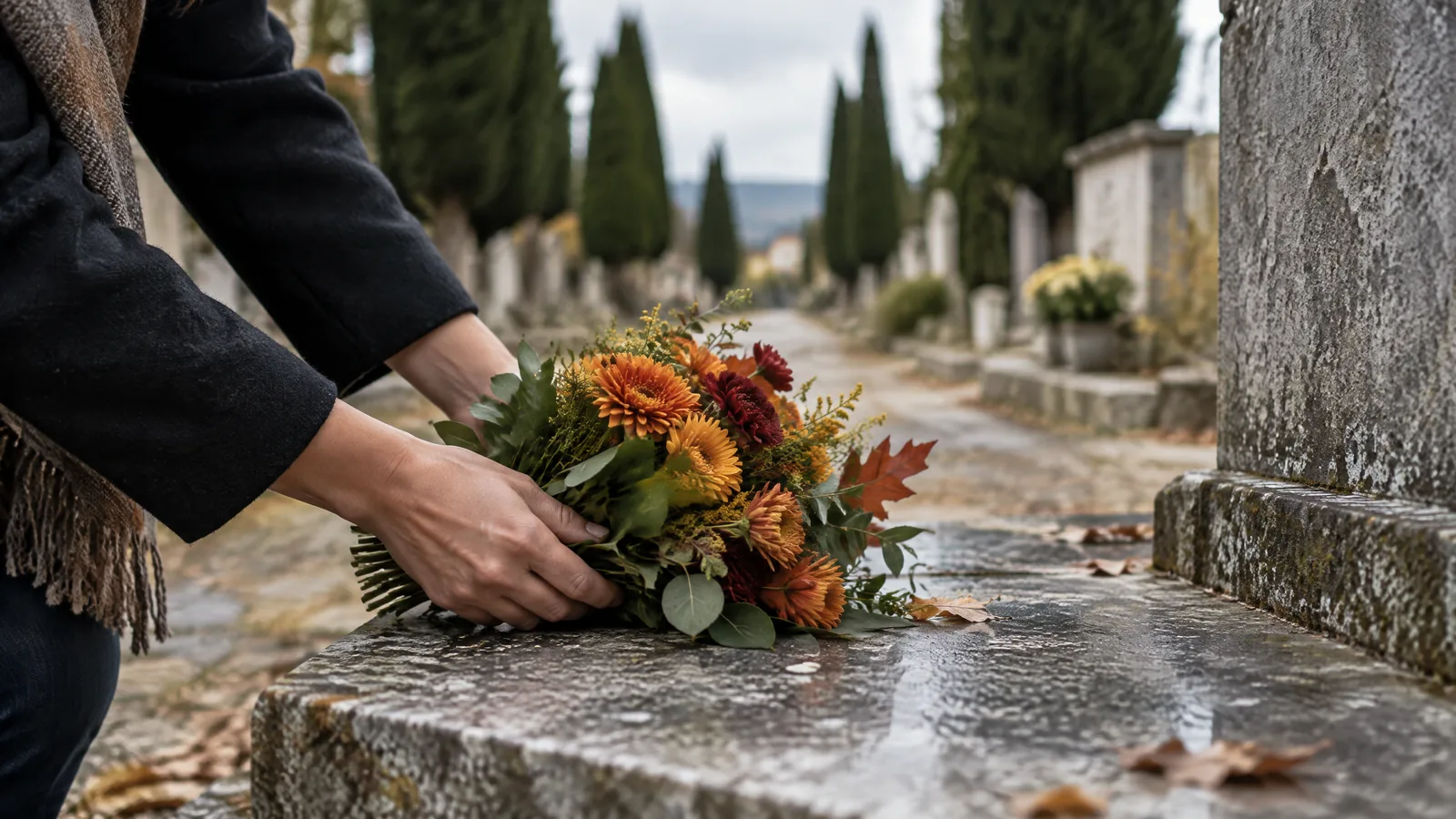
- leave flowers or tend a grave;
- attend a religious service;
- introduce a child to a family member they did not know;
- spend a quiet ten minutes with someone you miss; or
- find a grave and make a note of the location for the family record.
Naming the purpose helps everyone know what to expect. A person who needs a quiet visit may not want a long family conversation at the graveside. A child may need a clear explanation that the visit is short and that they may ask questions later. There is no single correct mood.
Check the practical details locally
Before leaving home, consult the cemetery’s current official information. Hours, entrances, parking, public transport, accessibility arrangements, flower rules, water access, and cleaning policies can vary by cemetery and by season. Do not rely on a social-media post from a previous year.
For example, Barcelona’s transport notice recommended public transport and described reinforcements for routes serving Montjuïc and Collserola around Tots Sants.2 It should be treated as a record of one year’s arrangements, not as a standing timetable.
If someone in your group has limited mobility, ask early about the most accessible entrance, level routes, seating, and nearby toilets. It is better to change the plan than to ask someone to push through discomfort. A shorter visit, a different day, or a home remembrance can be the caring choice.
Bring only what is useful
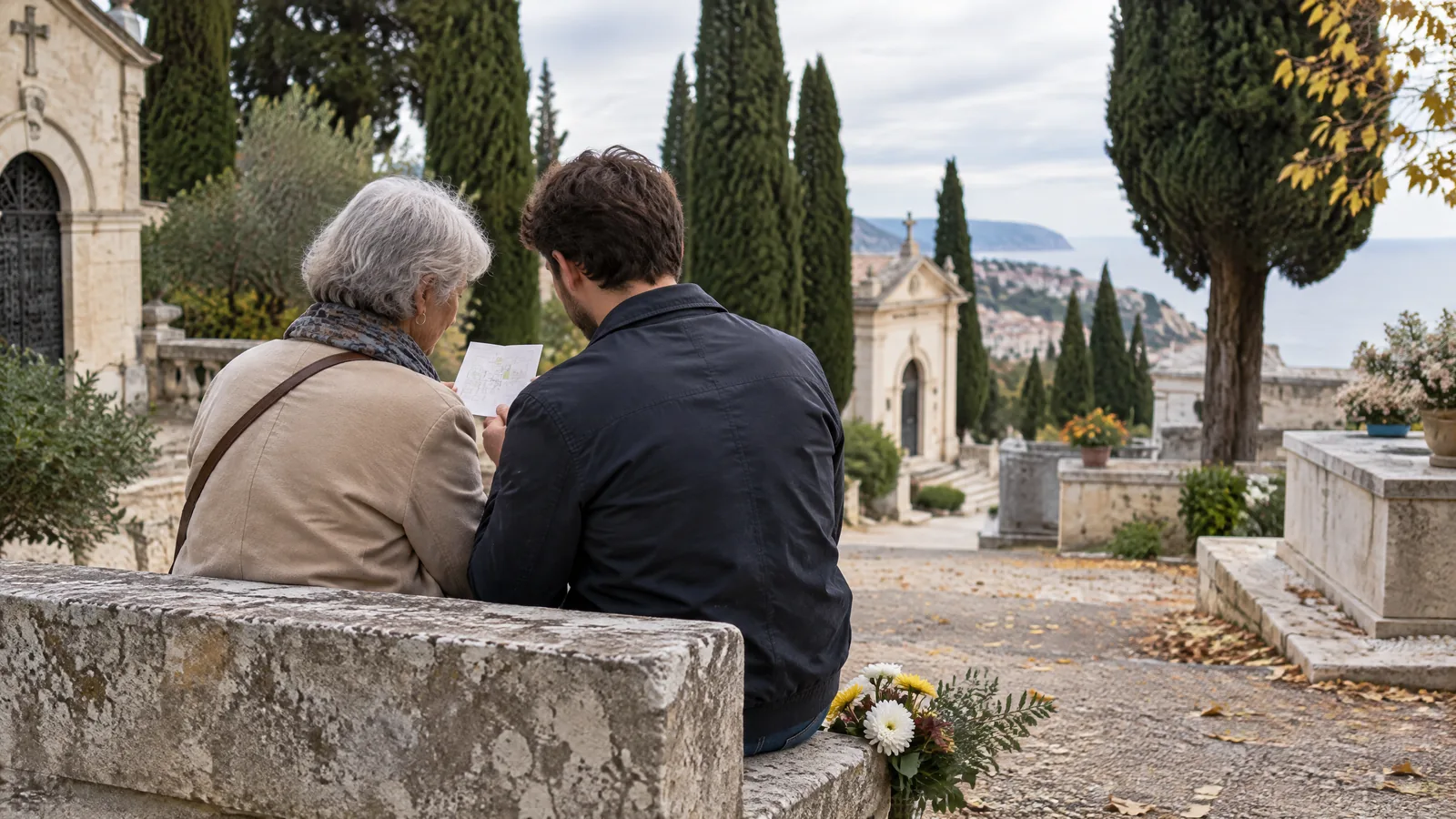
A small bag is often enough. Consider water, weather protection, any medicines people normally need, a contact number, and a simple map or location note if the cemetery is unfamiliar. If flowers are part of your family’s plan, choose something that the cemetery permits and that you can carry comfortably.
Avoid taking cleaning products unless you have confirmed that they are appropriate for the material and permitted by the cemetery. Stone, metal, ceramics, and old photographs can be damaged by ordinary household products. When in doubt, ask the cemetery office or leave the cleaning for another day.
For children, a small role can make the visit less abstract. They might carry a flower, choose a photograph for a home memory table, or write down the name and dates exactly as they appear. Do not make them touch a grave or speak if they do not want to.
Agree on a start and a finish
A simple plan can be as specific as: “We will meet at the entrance in the late morning, spend a short time at the grave, and have a warm drink nearby afterward.” A finish point is not disrespectful. It helps people conserve energy, especially on a busy day.
If several generations are attending, decide how the group will move. One person can carry the location details. One person can stay with a relative who wants to rest. One person can take responsibility for checking that everyone is ready before leaving. These small roles prevent the visit from becoming a logistical scramble.
It is also kind to agree that anyone may leave early. A cemetery can make loss feel immediate even years after a death. Being able to step out without explanation makes the gathering safer for everyone.
At the graveside, keep the language simple
You do not need to give a speech. Many families find that one sentence each is enough:
- “I remember how she welcomed people.”
- “I brought these because he liked the garden.”
- “I want the children to know her name.”
- “We are thinking of you today.”
For a Catholic family, a prayer or a moment of silence may be central to the visit. For a secular or mixed-faith family, silence, a poem, or one remembered detail may feel more natural. Let the person who is closest to the loss set the tone where possible.
The Episcopal Conference explains that visits to graves, flowers, and prayer have become closely associated with these November dates in Spain, even though All Saints and the commemoration of the faithful departed are distinct observances.1 You can respect that context without forcing a uniform ritual on every person present.
Use the visit to improve the family record
A cemetery visit is also an opportunity to capture accurate information. If it feels appropriate, write down the full name, dates, cemetery, section, and grave location. Photograph inscriptions only if the cemetery’s rules permit it and your family agrees. Keep any notes private unless you have permission to share them.
Do not turn the visit into an investigation. If a date seems unfamiliar or a name is misspelled in the family’s memory, make a calm note to check later. The aim is to preserve information, not to win an argument at the graveside.
Afterward, choose a gentle landing place
The hour after a cemetery visit can matter as much as the visit itself. A warm drink, a simple meal, or a short walk gives people a way to come back to ordinary life. Children may ask their questions then rather than while standing at the grave.
Try one closing question: “What is one thing you want us to remember from today?” Write down the answer if someone offers one. The conversation may be brief. That is enough.
A before-you-go checklist
- Confirm current cemetery hours, entrances, and visitor guidance.
- Check current public-transport or parking information.
- Choose a realistic arrival time and a clear finish time.
- Ask each person whether they want a quiet visit, a story, a prayer, or simply to come along.
- Bring only permitted and manageable items.
- Confirm accessibility needs before travelling.
- Keep space for someone to leave early without needing to explain.
- Record useful family details only with care and permission.
A respectful visit is not measured by how long you stay or how much you bring. It is measured by the attention you give to people, place, and the limits of the day.