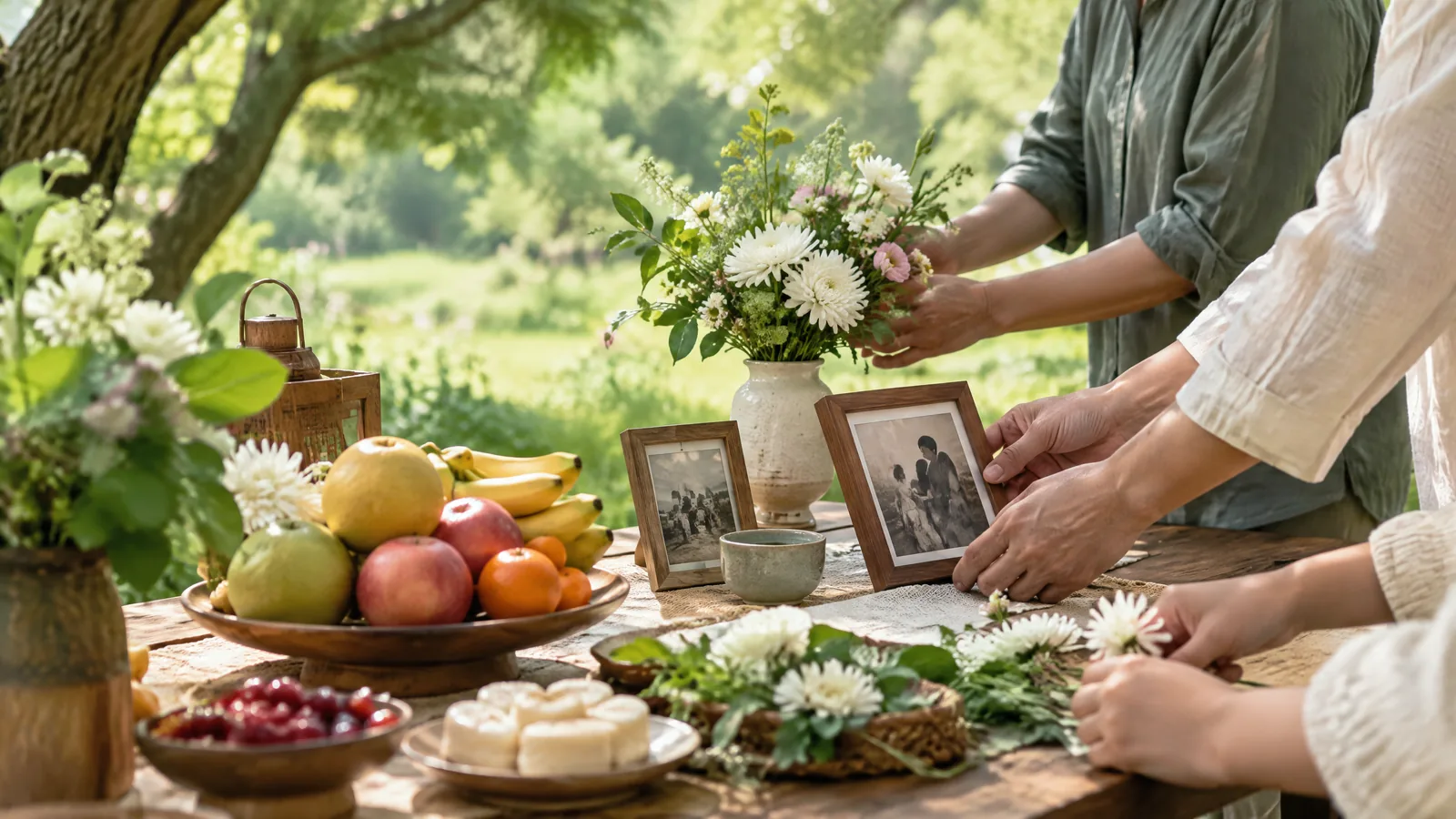
Qingming, often called Tomb-Sweeping Day in English, is a spring occasion for remembering ancestors in Taiwan. Its name evokes clarity and brightness, but the day is not simply symbolic. Many residents travel to a family grave, a cemetery, or a columbarium to put a resting place in order and to be present with relatives, past and living. Taichung’s Civil Affairs Bureau describes the holiday as an expression of respect for ancestors and filial piety, often involving a return to hometowns or the countryside. 1
For many families in Taiwan, the observance joins practical work with worship and family time. 1 Yet Qingming does not follow one fixed script across Taiwan. Households differ in religious practice, the resting places they visit, the foods they bring, and the dates they choose within the season. A thoughtful visitor, a younger relative, or someone joining a partner’s family should let the family’s own custom lead. The purpose is care and remembrance, not a performance.
Begin with family knowledge
Before the visit, ask an elder or the person organizing the day where the family will gather, what can be brought, and how they prefer to take part. Confirm whether the destination is an outdoor grave, an urn niche, or another memorial space. This small conversation prevents a well-meant gesture from becoming an inconvenience. It can also open a richer exchange: who is being remembered, what stories belong to them, and which relatives have tended the place before.
Plan for a working visit rather than a quick call. Wear clothes and shoes suited to uneven ground and weather, bring drinking water, and take a bag for litter. Follow the cemetery’s own instructions and respect neighboring graves. In Yunlin, local offices set up tomb-sweeping service stations and help people locate ancestral graves during the Qingming period; checking local information in advance can make a crowded day easier for everyone. 3
Tending the resting place
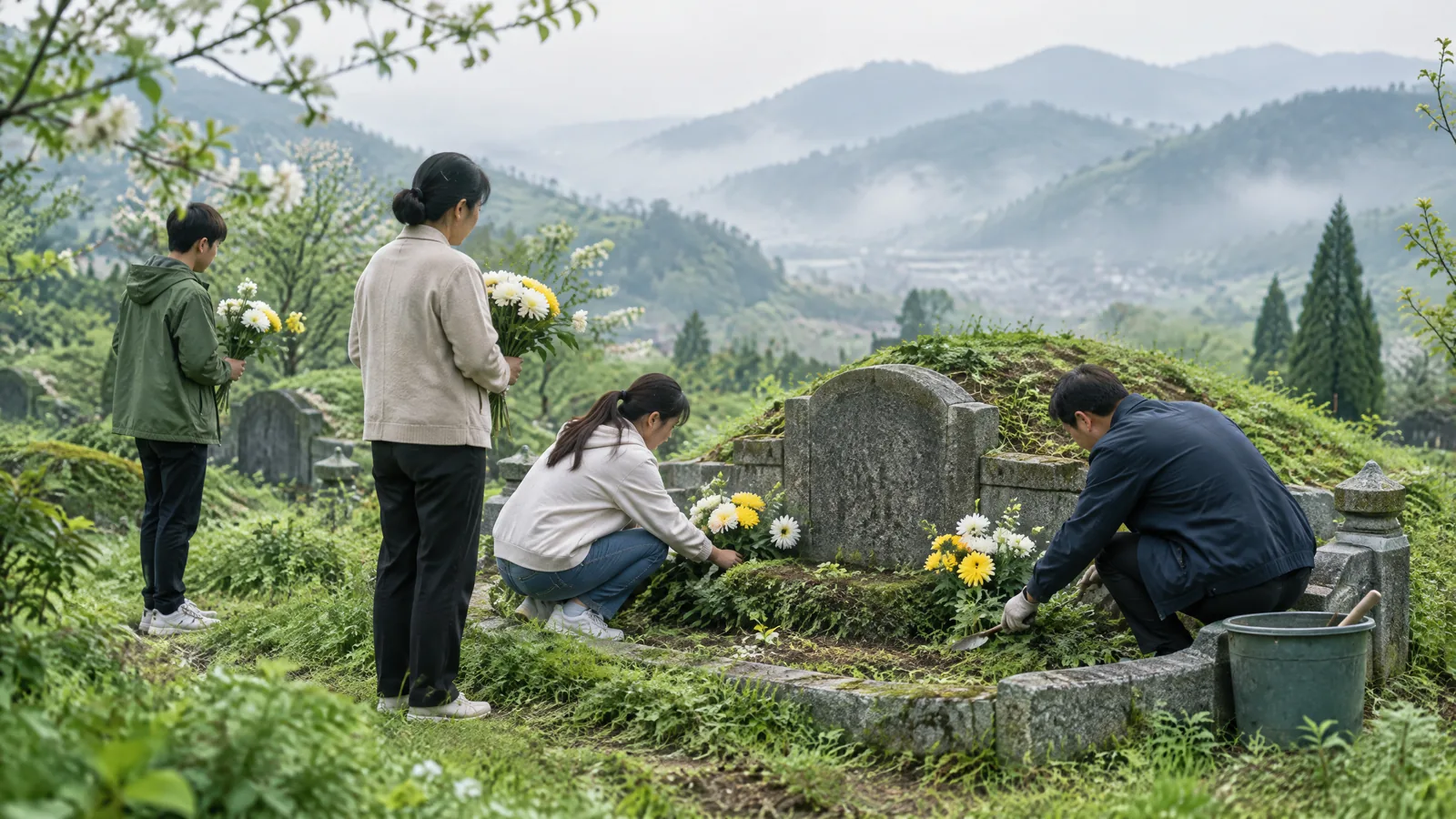
The word “sweeping” describes real physical care. A Taiwan Panorama account of the tradition notes that families may clear weeds, remove standing water, tidy the site, and sometimes refresh the writing on a tombstone. 2 Start with the work that the family has agreed is appropriate. Clear loose debris, gather cut vegetation, and leave paths passable. If a stone, inscription, or built feature needs repair, seek advice from the cemetery or a qualified caretaker rather than making a permanent change on the spot.
This attention matters because it makes remembrance visible without making it theatrical. Cleaning is a way of acknowledging a continuing relationship and of taking responsibility for a shared family place. Work side by side when possible. A grandchild can carry water, hold a bag, or listen while an older relative explains a name. The day then becomes an opportunity to pass down knowledge that is easily lost when a family meets only at celebrations.
Offerings, greetings, and time together
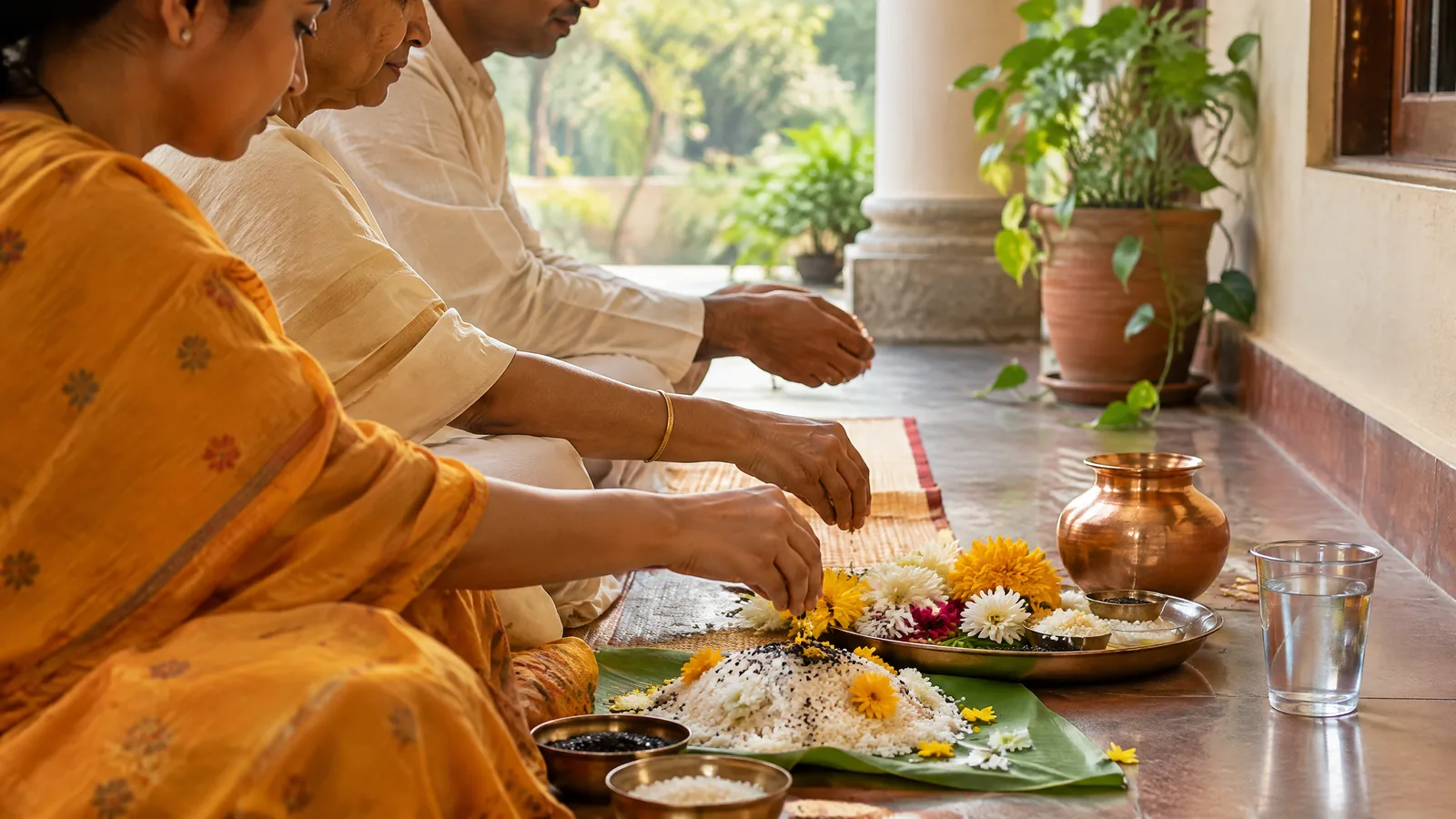
After the site is prepared, many families arrange food and other offerings, light incense, and address the ancestors. Taiwan Panorama records that some local observances also begin by paying respects to the Earth God or another guardian connected with the site. 2 These details are not universal instructions. Wait for the hosts to indicate where to stand, when to bow, and whether you should participate directly, observe quietly, or help with a practical task. Quiet attentiveness is more respectful than guessing.
Offerings can carry memories as well as ritual meaning. Taichung’s Civil Affairs Bureau notes food and spirit money among items commonly offered during the festival. 1 A family may choose familiar dishes, fruit, flowers, or other items with personal significance. Do not assume that every household uses the same materials or follows the same sequence. When the formal moment has passed, families may share food and talk together beside the grave or after returning home. This unhurried time can be as important as the ceremony: it lets stories, affection, and grief occupy the same space.
Let local customs remain local
Qingming is one of the traditional seasonal markers, and customs in Taiwan have long reflected local heritage as well as family preference. A scholar cited by Taiwan Panorama notes different historical timings among Hakka families and families with Quanzhou or Zhangzhou roots. 2 This is a useful reminder not to treat the holiday’s calendar as identical for everyone. If relatives schedule their visit outside the most familiar date, accept that timing as part of their family history.
Food also has local character. In central and southern Taiwan, many families associate Qingming with runbing, a fresh spring roll, according to the same account. 2 It is best received as a regional tradition rather than a checklist item for every table. Ask before bringing a dish, especially when a family has dietary needs or a customary menu. The same care applies to photographs. Some families welcome a quiet record of a reunion; others prefer that phones stay away during worship. Permission is the simplest rule.
Remember safely and leave the place cared for
A respectful visit should protect both people and the landscape. Yunlin County’s Qingming guidance asks visitors not to use fire to clear weeds, burn paper money, set off firecrackers, or discard cigarette ends, and to take rubbish away. 3 The county presents these habits as a way to reduce fire risk and air pollution while honoring ancestors with sincerity. Follow any added fire restrictions or disposal arrangements at the specific cemetery.
Bring reusable water, collect every wrapper and spent offering container, and never leave a flame unattended. If a family wishes to use paper offerings, discuss the site’s designated or centralized arrangements rather than improvising. Yunlin also points to centralized paper-burning services and online ancestor-worship options as lower-risk choices. 3 These approaches need not diminish the visit. They allow the care shown at the grave or memorial to extend to the wider community.
Qingming in Taiwan is sustained by these small acts: a path cleared, a name spoken, a story repeated, a meal shared, and a place left clean. The most fitting participation is patient and family-led. By arriving prepared, following local guidance, and making room for each household’s own way of remembering, a visitor helps preserve the occasion’s central promise: care for those who came before and consideration for those who remain.