Pitru Paksha in India: A Time for Ancestral Remembrance
Pitru Paksha is an annual period when many Hindu families in India turn deliberately toward the people who came before them. It is often described as a lunar festival or season devoted to departed ancestors. The language of the observance is reverent rather than triumphant: remembrance may be expressed through prayer, food offerings, water offerings, charity, quiet family gathering, or a journey to a sacred place. The Bihar Tourism Department describes it as a Hindu tradition set aside each year for homage to ancestors, while the Indian National Trust for Art and Cultural Heritage records Pitru Paksha as a lunar Hindu festival of prayer and homage. 1 2
It is important to begin with scope. India contains many religious communities, Hindu traditions, languages, local calendars, and household histories. Pitru Paksha is not a practice shared by every person in the country, nor does every Hindu household observe it in the same way. Even within families that do observe it, the prayers, foods, timing, and degree of formality may be shaped by region, lineage, sect, a family priest, or the wishes of older relatives. Its enduring value lies partly in that intimacy: remembrance is carried through relationships, not through a single national script.
Remembrance as a family responsibility
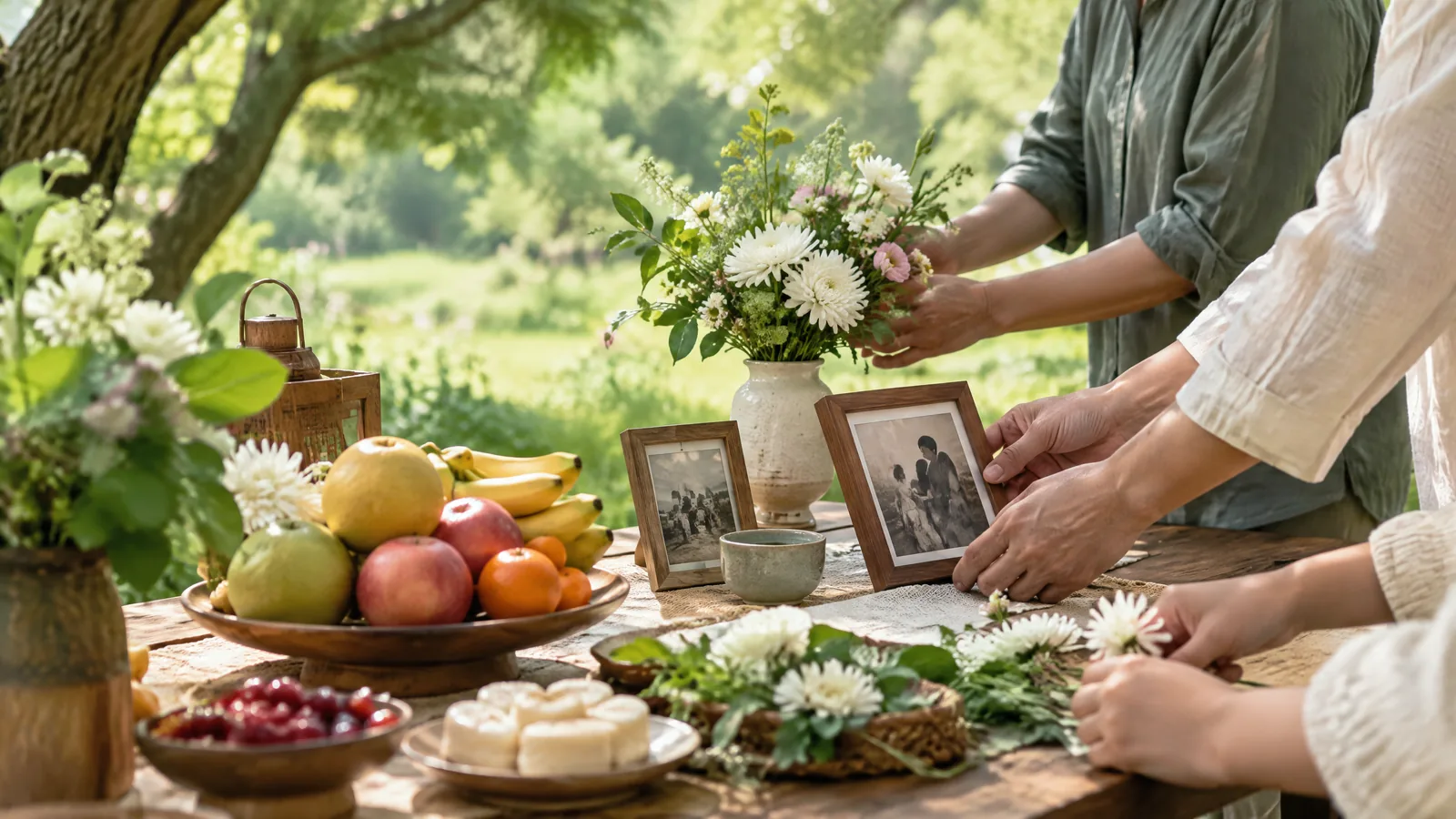
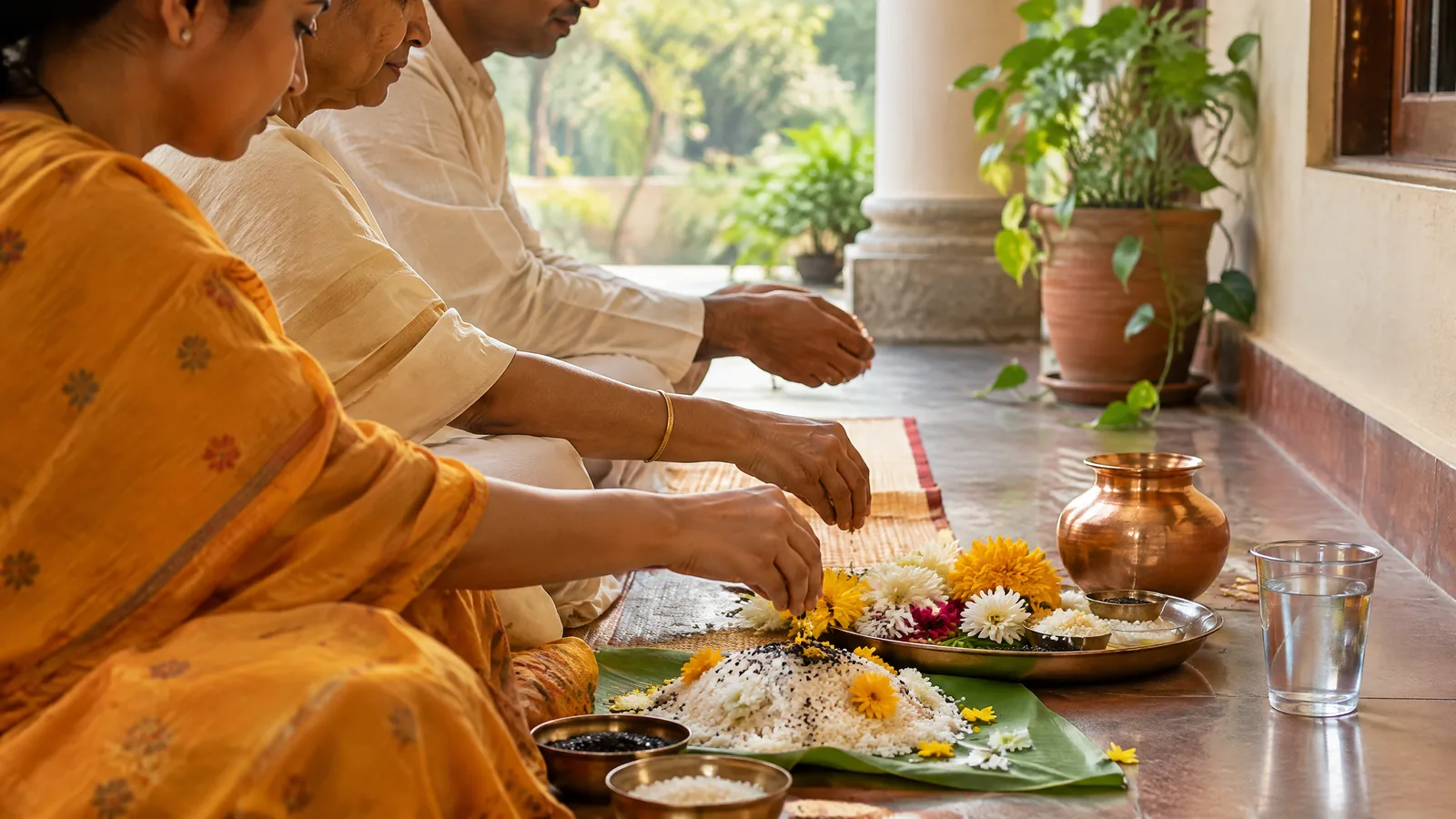
For many people who keep the observance, Pitru Paksha creates a distinct time to name deceased relatives and acknowledge an ongoing bond with them. The purpose is not to turn grief into a public display. It is to make room for gratitude, memory, duty, and prayer in forms that a household recognises as meaningful. A person may remember a parent, grandparent, teacher, or another loved elder through a story, a shared meal, a charitable act, or silence alongside a more formal rite.
The formal vocabulary matters, but it should be used carefully. Bihar Tourism identifies Shraddh, Tarpan, and Pind Daan among rites performed during the period. These are not interchangeable labels for a single action. Their practice and interpretation belong to particular Hindu ritual contexts and can be guided by family custom or religious specialists. 1 Rather than treating them as a checklist, it is more accurate to see them as names for rites through which some families make offerings and prayers for the departed.
Food is often part of this language of care. The INTACH archive describes pind as balls made with cooked rice and barley flour, mixed with ghee and black sesame, in its documentation of Pind Daan at Gaya. 2 That detail explains an offering associated with a specific ritual setting; it should not be recast as a universal household recipe or as a demand on every family. In a home, what matters most may be the remembered person’s favourite food, a meal prepared together, or the simple act of speaking a name.
Gaya and the meaning of place
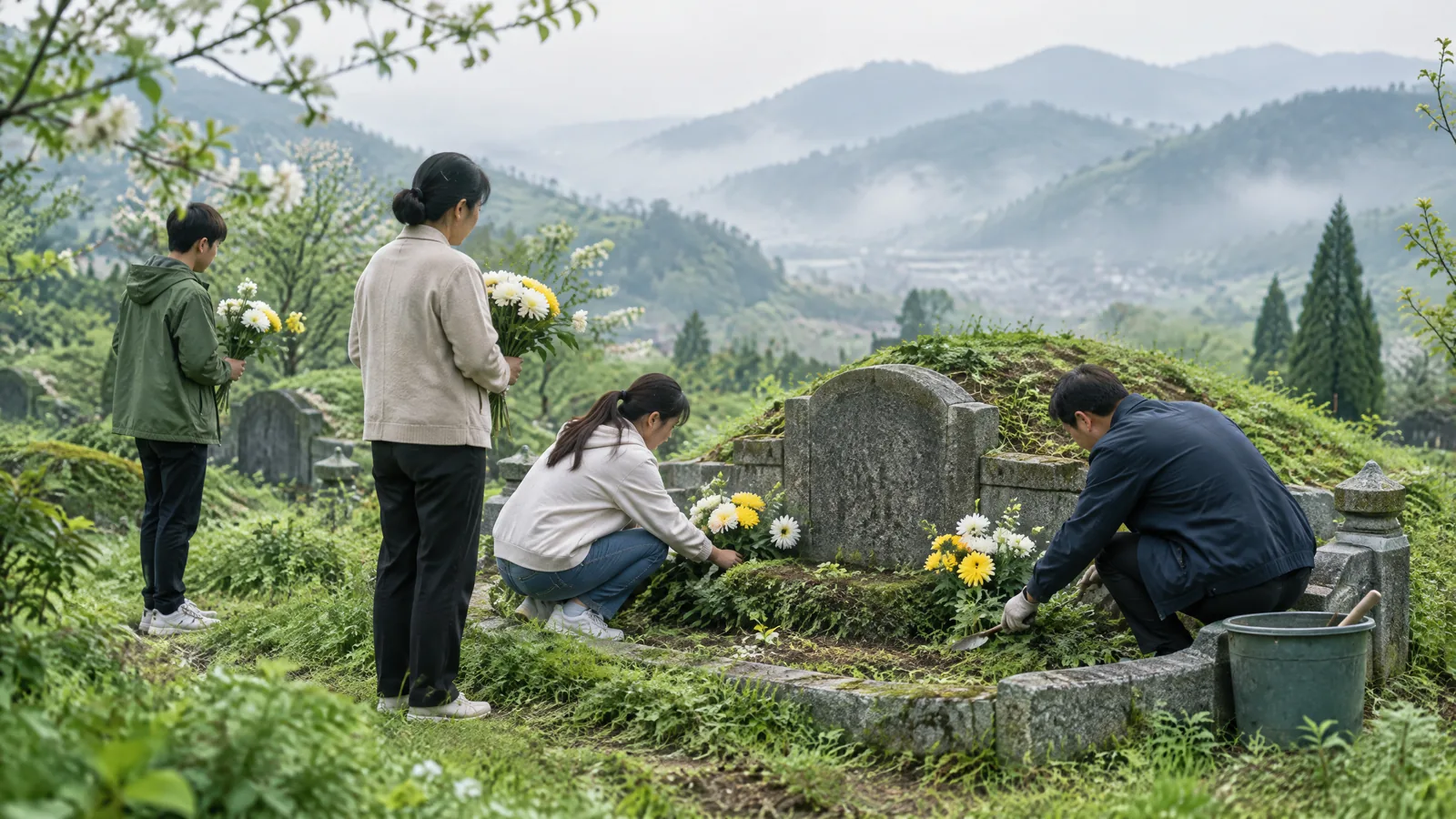
Gaya, in Bihar, is especially prominent in public accounts of Pitru Paksha. The Bihar Tourism Department notes rites at the Falgu River and prayers at Vishnupad Temple, while INTACH’s cultural archive documents devotees making offerings along the river and at the temple complex. 1 2 These accounts show why Gaya is an important place of pilgrimage for many Hindu families during the season. Its riverbanks, temple spaces, and ritual specialists form part of a lived sacred landscape, not merely a backdrop for photographs.
The heritage record also makes the communal scale visible. It includes pilgrims preparing ritual items, families gathering, and people conducting rites near the river. Yet a large pilgrimage setting does not make a private loss less personal. Each offering may carry a particular name, relationship, or prayer. The most respectful way to understand such a place is to recognise both dimensions at once: it is a major shared religious setting and a collection of individual acts of remembrance.
Regional variation remains important beyond Gaya. A Government of India cultural page describes Karkidaka Vavu Bali in Kerala as an ancestral observance held on a new-moon day, with rites at temples, riverbanks, and seashores. 3 This does not make it the same event as Pitru Paksha. It does, however, underline why broad claims about a single Indian method of honouring ancestors are misleading. The country’s living traditions have distinct names, calendars, places, and meanings.
Careful participation and listening
For someone invited into a family’s Pitru Paksha observance, the first responsibility is to listen. Ask the host what the occasion means to their family and whether practical help would be welcome. Helping prepare a meal, fetching flowers, sitting with an elder, or making time for a story can be more appropriate than arriving with assumptions about ritual. A guest should not handle offerings, recite prayers, or approach a shrine simply because those acts are familiar from an image or a description.
At a temple, riverbank, or family home, follow the guidance of hosts and local authorities. Some spaces and rites may be intended for participants, priests, or relatives rather than observers. Keep a respectful distance when asked, dress and behave in accordance with the setting, and ask before taking any photograph. This is particularly important when people are praying, grieving, or carrying out an offering for a named ancestor. Privacy is not an obstacle to understanding; it is part of the respect the occasion requires.
Families can also carry the spirit of remembrance into ordinary life. A conversation might begin with a gentle prompt: What did this person teach us? Which saying, dish, song, or habit still brings them close? With consent, those answers can be written down for younger relatives. The aim is not to manufacture a ritual or claim a tradition that does not belong to the household. It is to preserve the particular memories that give any observance its human centre.
A living thread between generations
Pitru Paksha endures because it offers many Hindu families a deliberate pause for ancestral memory. For some, that pause includes established rites and a pilgrimage to Gaya. For others, it may be marked at home through prayer, food, charity, conversation, or quiet attention. None of these possibilities should be forced into a universal template.
Approached with humility, the period shows how family heritage can be both devotional and practical. It asks the living to remember names, care for relationships, and make time for gratitude. The rites are meaningful because they remain connected to the people being remembered and to the communities that hold their own ways of doing so.