In 2026, Spain’s Constitution Day falls on Sunday 6 December. Its public holiday is observed on Monday 7 December in Madrid and some other parts of Spain, but not everywhere. For some people, the long weekend is also a chance to remember a vote and a country in transition. The story behind the holiday offers a rewarding reason to slow down and look a little closer.
The day commemorates the referendum of 6 December 1978, when voters approved the Constitution that still provides Spain’s democratic framework. You do not have to be a historian to explore it: a short walk, a museum visit or a conversation at home can all be a good place to begin.
The vote behind the holiday
The Constitution emerged during Spain’s transition to democracy after Francisco Franco’s dictatorship. Following the democratic elections of 1977, representatives from different political groups worked on a draft. Congress and the Senate approved it on 31 October 1978, according to Spain’s government account of the Constitution.
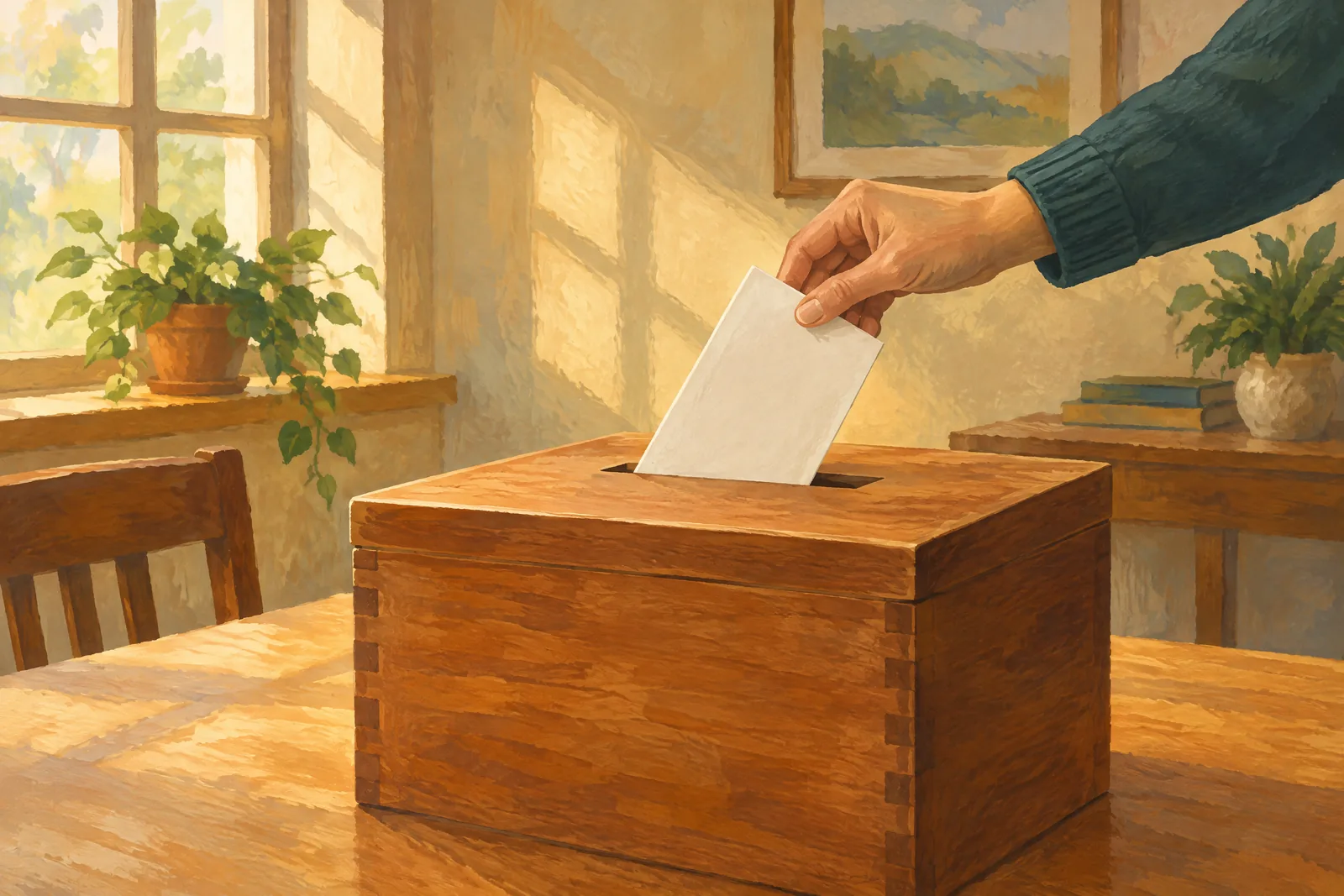
The next step was a public vote. The official decree calling the referendum set out the question: “Do you approve the draft Constitution?” On 6 December, a clear majority of those who voted supported it. The Constitution entered into force on 29 December 1978, so the holiday marks the referendum, not the date the text took effect.
The story is richer than a single result. The Congress of Deputies’ account of the campaign describes groups urging a yes vote, a no vote or abstention. Even within the women’s movement there were differing positions. Remembering those disagreements does not diminish the significance of the vote; it helps us understand that democratic change was debated by real people, not simply handed down as a finished story.
Conceptual illustration.
Why the Constitution still matters
A constitution can sound remote from daily life, but its subjects are familiar: representation, equality, freedom of expression and access to culture. Spain is a parliamentary monarchy, and the Constitution provides for a Parliament made up of the Congress of Deputies and the Senate. It also recognises the autonomy of nationalities and regions within Spain.
If you want to read a little for yourself, the Official State Gazette publishes an English version of the Constitution. Try Article 14 on equality before the law, Article 20 on expression and artistic creation, or Article 44 on access to culture. These provisions have different wording and legal protections, so they are a starting point for curiosity rather than a substitute for legal advice.
You could choose one article and ask what it means in everyday life. How does freedom of expression shape a newspaper, a painting or a family discussion? What might access to culture look like in your own neighbourhood? There is no need to read the whole document in one sitting.
A long weekend with local differences
In 2026, the Constitution Day anniversary falls on Sunday 6 December. The public holiday is observed on the following day, Monday 7 December, in some parts of Spain, but not everywhere. Tuesday 8 December, the Feast of the Immaculate Conception, is a nationwide holiday. The official 2026 holiday calendar shows the regional arrangements.
That means a long weekend is possible for some, but not automatic for everyone. Check your regional and local calendar and your own work arrangements. If you are travelling, confirm the timetable for your exact journey and the opening arrangements for each venue; a holiday name alone will not tell you what is open.
See Parliament, with a little planning
In Madrid, the Palacio de las Cortes on Carrera de San Jerónimo offers an easy starting point for an outdoor history stop. Look at its columns and the two lions flanking the entrance, then read Congress’s account of the building. The palace houses the Congress of Deputies; it is a working institution as well as a landmark.
If you would like to go inside on another suitable date, Congress says its ordinary guided visits are free and require advance booking. Its Spanish-language visitor guidance says there are no ordinary visits on public holidays and that parliamentary or institutional activity may cause cancellations. Bring an identity document or passport as required, and check the current rules on prohibited objects before arriving.
The visitor page currently says Saturday visits are suspended until further notice and that the Democracy, Parliament, Constitution exhibition is temporarily suspended for maintenance. Recheck those notices and the booking calendar before making plans. The English visitor page says tours are in Spanish. Both language versions currently say Saturday tours are suspended until further notice. Check Congress’s current announcements for any special open days; do not assume holiday access.
Conceptual illustration.
Explore art and an earlier constitution
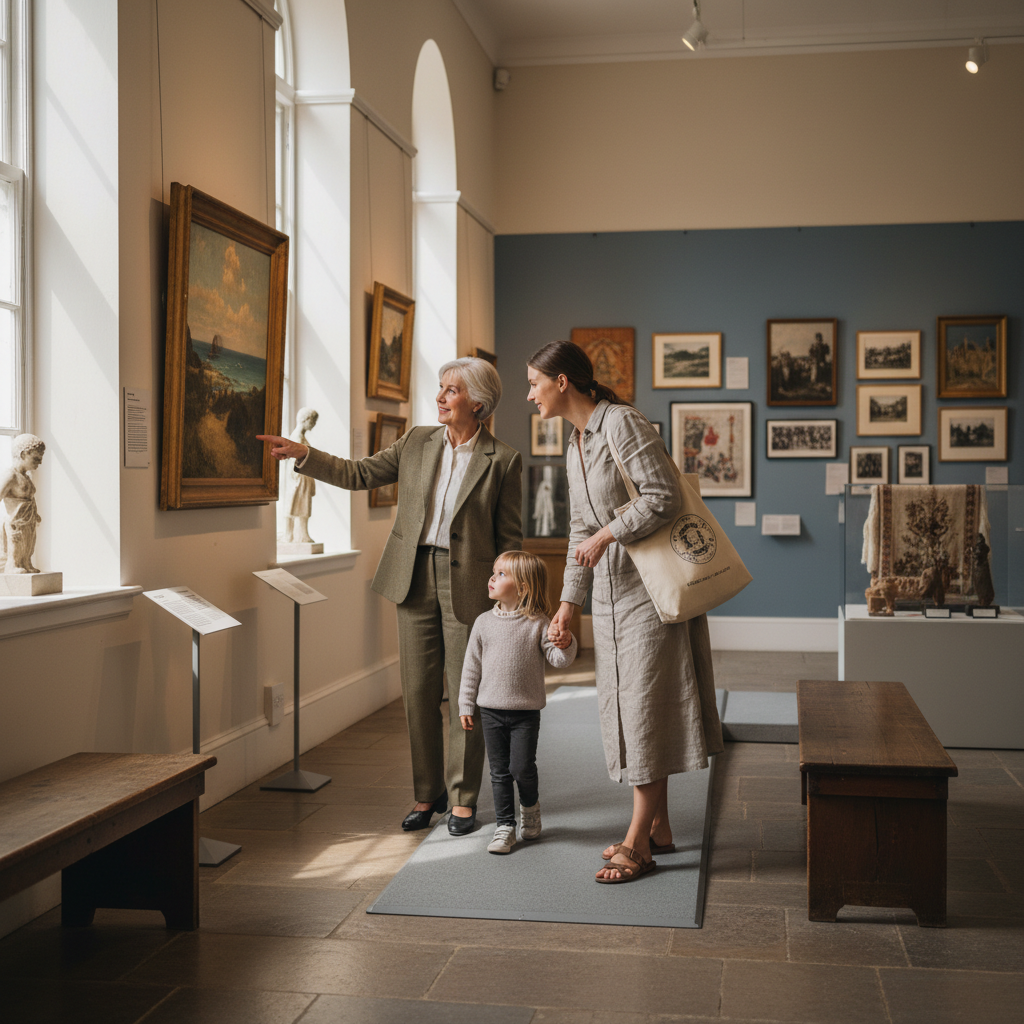
A museum can add another perspective to the constitutional story. In Madrid, the Reina Sofía describes its contemporary collection from 1975 to the present as beginning with the years of Spain’s transition. Rather than trying to see everything, choose a few works and consider what they suggest about changes in society and creative expression.
The museum currently lists Sunday 6 December among its free-admission days for individual visitors, but says visitors still need a ticket. That listing concerns Sunday 6 December itself, not automatically Monday 7 December. Check its admission and ticket information and visitor information for current admission, access and holiday arrangements before setting out; the collection display and availability can change.
For a different chapter of Spanish history, Cádiz’s Museo de las Cortes explores the Cortes of Cádiz and the Constitution of 1812. Its collection includes an eighteenth-century scale model of the city, and the museum is beside the Oratorio de San Felipe Neri, where the 1812 Constitution was discussed and approved. This is an earlier constitution and a different historical moment—not the site of the 1978 referendum. Confirm the museum’s current holiday opening and accessibility directly before visiting.
Make room for different memories
You can also mark the day without travelling. Invite someone who remembers the period to share what they recall, if they are comfortable doing so. Ask where they were living, what they remember hearing or how the news reached them. A younger relative might choose an article of the Constitution and ask what it means to them today.
Listen without expecting every memory or opinion to match. If you record a story or take a photograph, ask permission before keeping or sharing it; someone may prefer the conversation to remain private. A date, a few notes and a little context can be enough to make a family memory meaningful.
Whether the weekend brings a gallery, a walk or a conversation over lunch, the point is not to turn a holiday into homework. It is to notice the people, choices and ideas behind a date on the calendar—and leave space to keep learning.
Sources and further reading
- Congress of Deputies: the dictatorship and the transition
- Spain’s government: the Constitution and its approval
- Official State Gazette: decree calling the 1978 referendum
- Congress of Deputies: the 1978 referendum campaign
- Official State Gazette: the Constitution in English
- Official State Gazette: public holidays for 2026
- Congress of Deputies: the parliamentary buildings
- Congress of Deputies: current visitor guidance in Spanish
- Congress of Deputies: visitor information in English
- Museo Reina Sofía: contemporary collection
- Museo Reina Sofía: admission and ticket information and visitor information
- Cádiz city council: Museo de las Cortes